Pokies Parlour Casinos in Australia: How They Work
 Available in US
The scale and impact of pokies in Australia
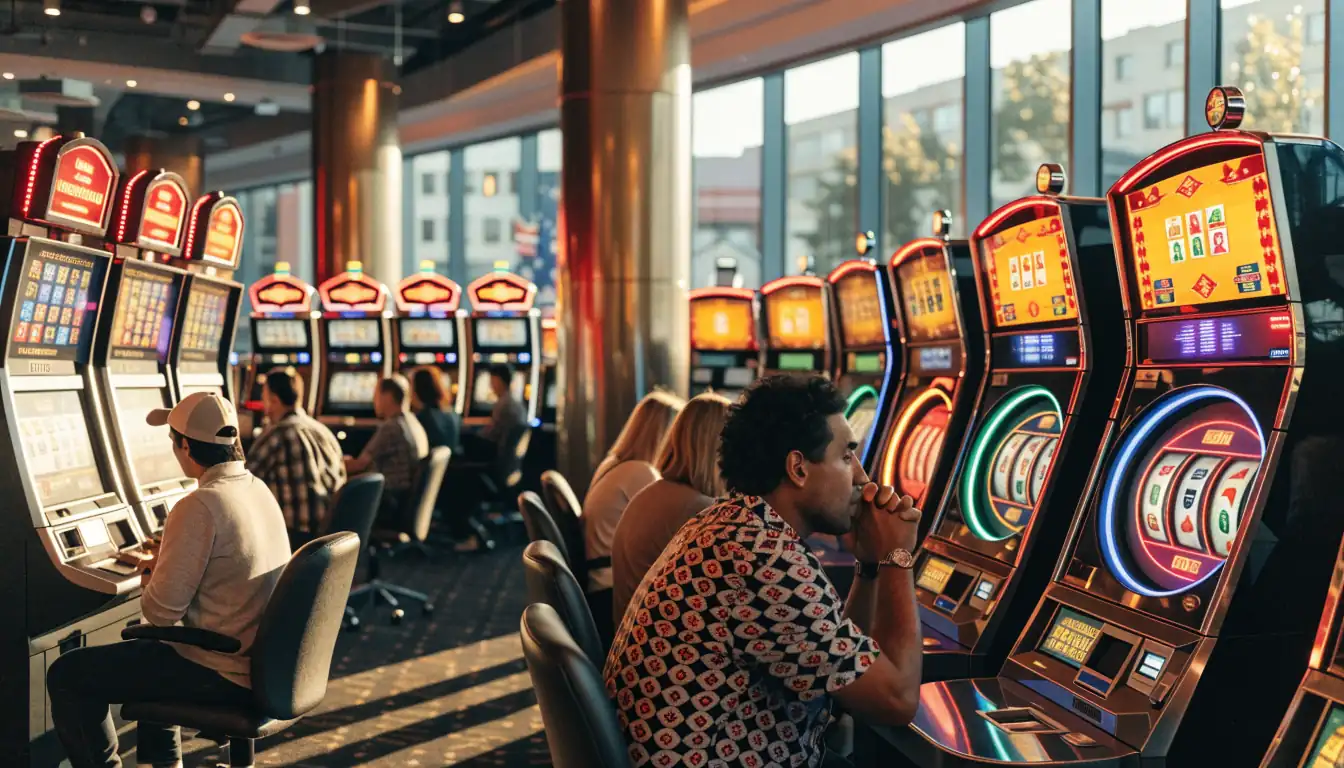
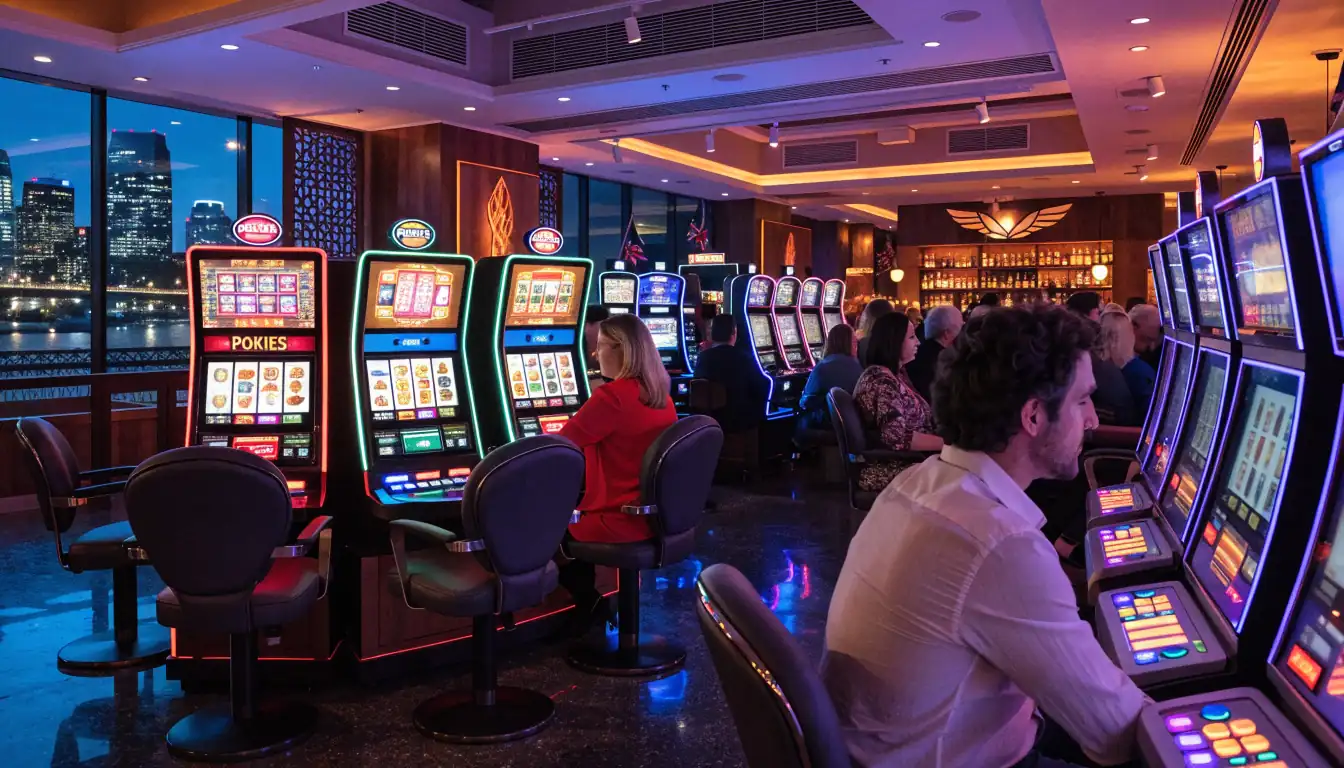
In any given week across the country, a peculiar scene plays out in local pubs and RSL clubs from Perth to Newcastle: rows of glowing screens chirping away while Australians feed in coins, notes, or tap their cards with the resigned familiarity of a national ritual. Electronic gaming machines — pokies, as they’re universally called here — don’t occupy a fringe corner of Aussie gambling culture. They sit at its centre, harnessing more collective wagering, generating deeper household losses, and stretching further into regional communities than virtually any other gambling format the country has devised.
Market dominance like that rarely emerges by accident. Legal frameworks, historical quirks, and a particular tolerance for ambient vice have all contributed to the pokies’ present scale. This section examines that scale in detail — how much is wagered, how much is lost, where the machines are installed, and why despite international anomalies Australia continues hosting an outsized share of the global electronic gaming machine fleet.
A market measured in hundreds of billions
Financial figures tell the first part of the story. In the 2020–2021 financial year alone, Australians placed bets totalling almost AUD 150 billion on pokies. That number — nearly AUD 150 billion pumped through machines — dwarfs comparable gambling sectors like sports betting (which draws headlines but a fraction of the turnover) and even casino table games. During the same period, those accumulated bets translated into total player losses around AUD 12 billion. Twelve billion dollars disappeared into machine margins in a single year, with per-capita losses amounting to AUD 608 per Australian adult.
Before diving into any pokies parlour, it pays to check what each casino actually offers in terms of licensing, welcome offers, and payout handling, so you can pick a site that fits how you play and how fast you want your cashouts.
Bonus: 240% up to A$4,100 + 300 free spins Stands out for a sizeable welcome package combining a large percentage match with a generous free spins allowance, making it worth a look for pokies fans chasing extra playtime.
License: Curacao eGaming (Roby Games Ltd) · Bonus: 100% up to A$750 + 200 free spins Operates under a Curacao eGaming licence via Roby Games Ltd and backs its offering with a welcome bonus that pairs a deposit match with a solid batch of free spins.
License: Curacao Gaming Control Board OGL/2023/176/0095 (Hollycorn N.V.) · Bonus: up to A$11,000 + 300 free spins (code NEO100) Licensed by the Curacao Gaming Control Board under Hollycorn N.V., this operator offers one of the larger bonus ceilings on this list along with free spins unlocked via a specific code.
License: Curacao OGL/2024/1335/0780 · Bonus: up to A$1,000 + 150 free spins, wager-free · Min. deposit: EUR 20 Holds a Curacao licence and pairs its bonus with free spins that come wager-free, plus a clearly stated low minimum deposit requirement.
Bonus: up to A$7,500 + 550 free spins across 10 deposits, 50x wagering · Payout speed: crypto under 1 hour, PayID 1-3 business days · Min. deposit: A$20 (A$30 to qualify for the bonus) Offers an extended bonus structure spread across multiple deposits with a defined wagering requirement, and is notable for fast crypto payouts alongside standard PayID processing times.
License: Curacao eGaming OGL/2024/923/0383 (Antillephone N.V.) · Bonus: up to A$2,000 + 100 free spins across 2 deposits · Min. deposit: A$30 Licensed under Curacao eGaming via Antillephone N.V., this site spreads its bonus across two deposits and keeps the minimum deposit accessible.
License: Curacao Gaming Authority (Jumpman Gaming Ltd) · Bonus: up to A$6,600 + up to 250 free spins across 4 deposits Licensed through the Curacao Gaming Authority under Jumpman Gaming Ltd, it offers a multi-deposit bonus structure with a generous free spins component.
License: Tobique Gaming Commission · Bonus: up to A$8,000 + 400 free spins across 4 deposits · Payout speed: crypto ~10-15 minutes, fiat 1-5 days · Min. deposit: A$30 Licensed by the Tobique Gaming Commission, this operator combines a large multi-deposit bonus with notably quick crypto withdrawal times and reasonable fiat processing.
License: Curacao · Bonus: 100% up to A$500 + 200 free spins, 10x wagering · Payout speed: crypto 30-60 minutes, fiat 1-5 days · Min. deposit: A$10 Curacao-licensed with a straightforward welcome bonus and low wagering requirement, plus fast crypto payouts and an accessible minimum deposit.
License: Curacao Gaming Control Board OGL/2023/176/0095 (Hollycorn N.V.) · Bonus: up to A$1,500 + 200 free spins across 3 deposits Backed by a Curacao Gaming Control Board licence through Hollycorn N.V., offering a bonus spread across several deposits along with a solid free spins allowance.
Those aren’t hypothetical figures or projections: they’re drawn from regulatory reporting and industry disclosures across jurisdictions. They tell a plain truth — pokies don’t merely participate in Australian gambling; they account for its largest share. Turnover on that order also means pokies touch a broader cross-section of society than high-roller VIP rooms or niche wagering platforms. Grandmothers play them, shift workers play them, casual punters play them between racing bets. Such ubiquity explains both the market’s resilience and public health advocates’ ongoing despair.
More recent figures complicate the picture without overturning earlier points. According to analysis compiled by complyadvantage.com, pokies generated AUD 191.2 billion in gambling turnover throughout 2023 — a startling sum, even set against the AUD 150 billion FY 2020–2021 benchmark. Complyadvantage’s statistics suggest turnover has continued climbing, though it’s worth remembering their figure comes from a single provider’s research rather than official state or federal reports. The platform tracks regulatory compliance topics and processed this number in that context, not as part of Australia’s national accounts. Nonetheless, the reported figure serves as a reasonable indicator of scale: billions continue washing through machines annually, measured in turnover larger than most national lottery systems combined.
From Darwin to Hobart: geographic breadth
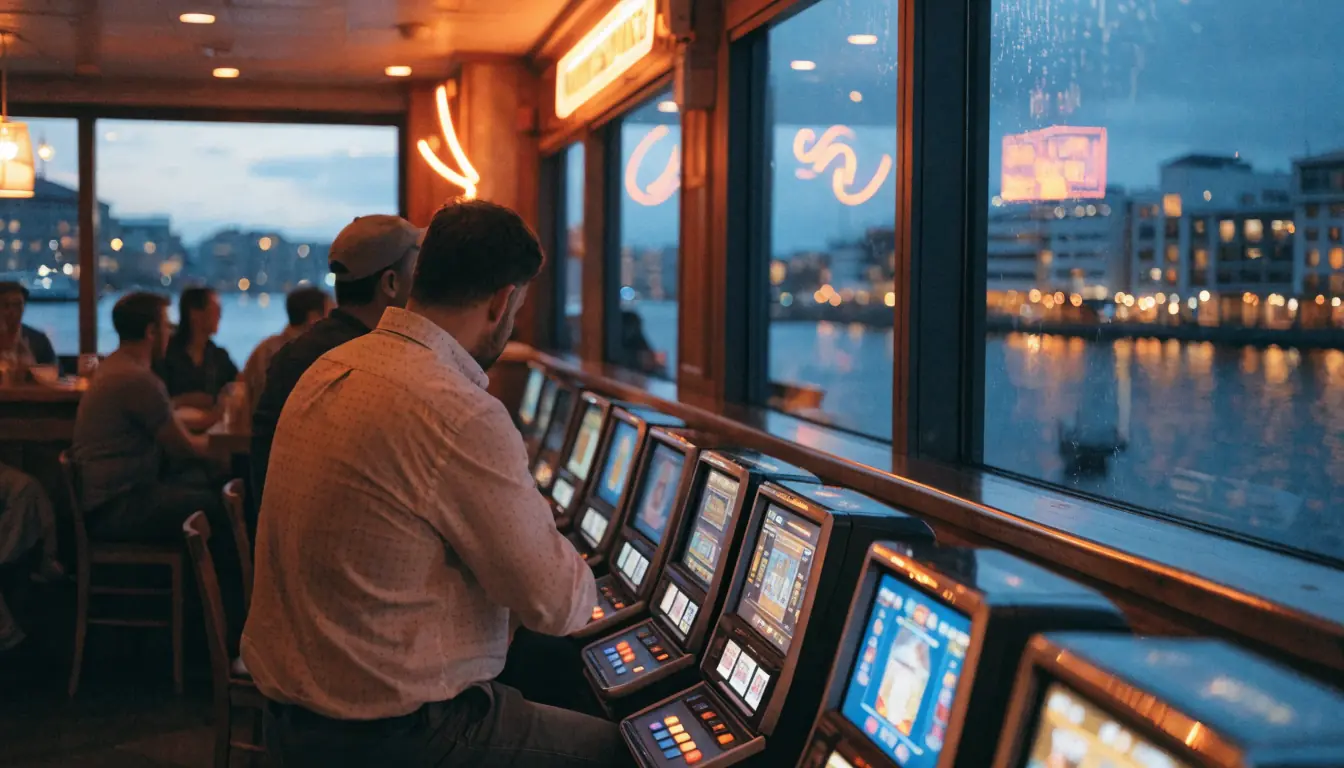
Pokies aren’t confined to metropolitan casinos or remote gaming resorts. Electronic gaming machines operate legally in every Australian state and both internal territories. New South Wales hosts hundreds of thousands of machines; ACT licenses them across club venues; even the Northern Territory — more famous for crocodiles than casinos — permits their operation under regulatory watch. Such geographic parity doesn’t exist elsewhere in the gambling world. Where countries like the UK restrict gaming machines to designated gambling halls, or Japan limits pachinko’s legality through convoluted workarounds, Australia integrates pokies into everyday hospitality infrastructure.
This spread has consequences beyond simple market size. When pokies permeate regional towns, coastal villages, and inner-city suburbs alike, their social impact multiplies. A factory closure in regional Queensland might devastate a community, but the local RSL’s bank of pokies continues humming, collecting disposable income that otherwise might cycle through neighbourhood shops. Losses that seem abstract in Sydney or Melbourne become concrete when a sizeable percentage of wealth in a sparsely populated shire abandons the community through gaming machines.
Australian players can lose up to AUD 12 billion in a single financial year, averaging AUD 608 per adult, so the financial risk is substantial.
Accessibility explains a portion of player losses too. Where some gambling formats depend on visiting a specialised venue — a racecourse, a casino — pokies exist inside the pubs where Australians already gather. The distinction matters: people rarely make dedicated "gambling trips" to play pokies; they stumble into them between catching up with mates or watching the football. That embeddedness in everyday social venues underpins both the industry’s massive turnover (AUD 150 billion wagered FY 2020–2021) and regulatory difficulty. How do you cordon off pokies when they’re woven into the fabric of ordinary hospitality businesses? Australia hasn’t yet dispatched that puzzle, and 12 billion dollars leakage in a single year gives some indication of what inaction costs.
The great Australian anomaly: 3% or 18%?
International comparisons introduce another wrinkle. Australia accounts for roughly 3% of the world’s pub and club poker machines — a curious-but-modest slice showing that despite the boom, pokies proliferate elsewhere too. Yet alternative analyses reaching wider definitions — not just pub and club machines, but potentially casino-based terminals and related formats — place Australia far higher, at approximately 18% of the world’s poker machines. Both statistics exist within industry literature, and neither source reconciles them entirely. The 3% figure tracks "pub and club" machines specifically, while the 18% share seemingly encompasses a wider category that includes casino-installed terminals, multi-game cabinets, and similar gear. Whether one chooses the narrower or broader definition, Australia punches above its weight. Even the conservative estimate outruns a nation with ~0.3% of the global population.
Third-versus-eighteenth matters less than recognising both figures show how normative Australians have made pokies. The discrepancy highlights a taxonomic quirk common in gaming machine analysis, and readers should source-check when comparing international reports. Those publishing "3%" often stick to designated pub and club machines only; those stating "18%" appear more lenient with classifications. Researchers have yet to release a definitive reconciliation, so presenting both reminds us how easily definitions can shift statistics.
Whatever the exact percentage, one thing remains stable: per capita, Australians continue absorbing pokies losses on a scale few nations rival. AUD 608 per adult in FY 2020–2021 doesn’t stem from marginal participation. That’s a heavy average distributed across winners, losers, casual players, and addicts alike. Casual players lose small; addicted players lose thoroughly; aggregate figures reflect both.
Ubiquity breeds normalcy — and normalcy breeds turnover
Pokies permeate pubs, clubs, and casinos across the population spectrum. Unlike VIP salons (which few Australians access) or sporting betting apps (which target distinct demographics), pokies are ordinary. They exist beside pool tables and jukeboxes, accepting coins as willingly as cards. Come wind-up time in a suburban club, half the people trickling out have spent thirty dollars, fifty dollars, two hundred on pokies. That’s how turnover like AUD 150 billion happens: one ordinary session multiplied by millions of participants nationwide.
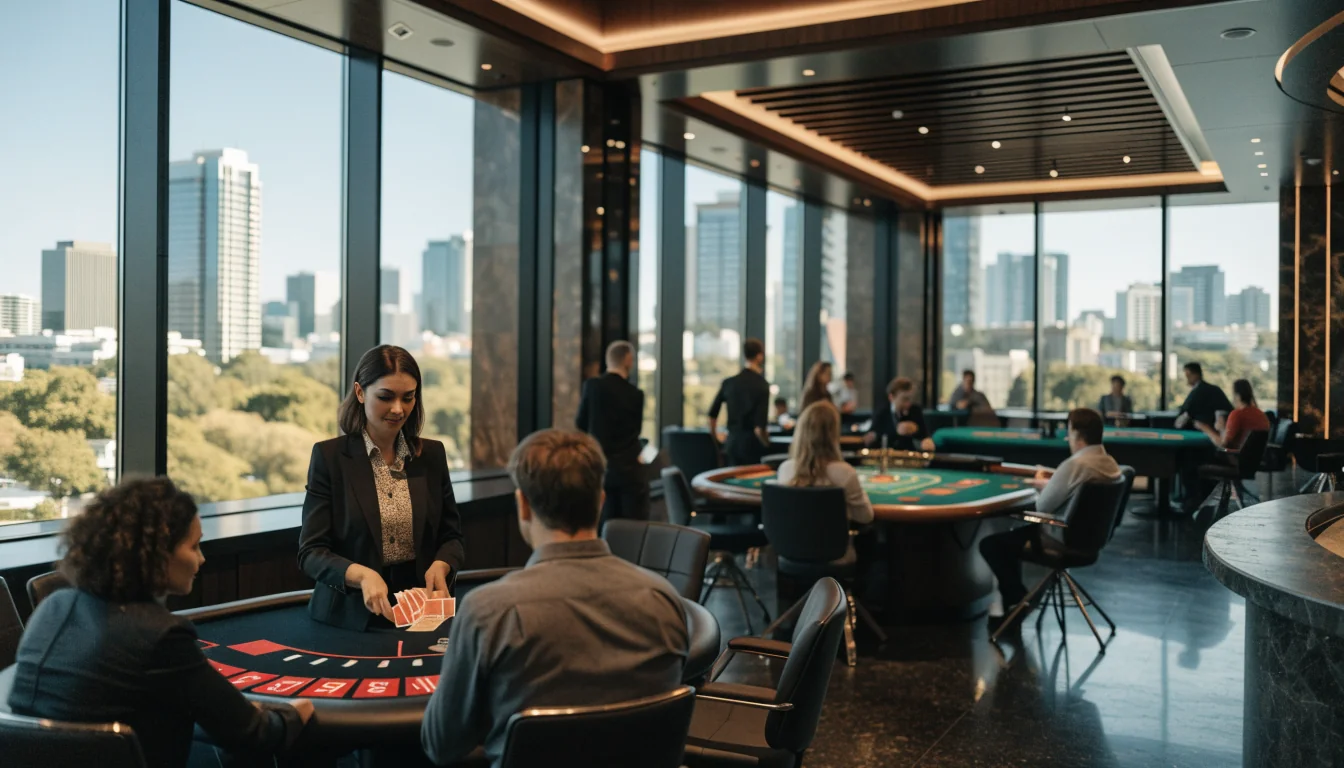
Casinos haven’t ignored the trend either. Major venues — think Crown Melbourne, The Star in Sydney — operate dedicated pokies parlours beside their blackjack tables and VIP rooms. And the distinction continues blurring: some casinos now run pokies-exclusive lounges that look like a traditional pub setup, while some sophisticated pubs back their pokies parlours with loyalty programs that resemble full-scale casino rewards. The separation between "casino" and "pokies parlour" becomes arbitrary at scale. Wherever electronic gaming machines run, players drift in.
Cashless transition
New South Wales plans to make all pokies account‑based and cash‑free by the end of 2028, aiming to improve traceability and curb money‑laundering.
Accessibility and normalisation interact destructively, at least from a public health perspective. Alcohol hasn’t destabilised Australian culture despite its own deep integration in social venues, but pokies differ. They don’t merely accompany the main attraction — they often are the main attraction. No poker machine announces itself as the primary revenue magnet, yet some rural RSL clubs would struggle to survive without them. Faced with potential closure, venues keep hosting pokies. Faced with potentially harmful play, regulators struggle to implement separation. That uncomfortable interdependence powers an ever-expanding market.
Regulatory catchup moves slowly, too. Officials recognise pokies-related money laundering risks, document their thinking in AUSTRAC’s 2024 guide, and debate cashless transitions. But across the vast majority of venues where pokies circulate, electronic gaming machines continue accepting anonymous cash hand over fist. That cash intensity adds to their turnover figures and ongoing regulatory pressure — topics handled more thoroughly in later sections focused on anti-money-laundering efforts. For scale purposes, it’s sufficient to note continual cash flow continues as machines stay geographically dispersed.
Public discourse about reform similarly addresses pokies’ entrenched power. NSW’s Islington Report from 2022 recommended mandatory cashless pokies by end of 2028 — a time-bound commitment pushed by compliance advocates and supported by analysis platforms like complyadvantage.com. One can debate whether that timeline adheres, whether community clubs will tolerate the costs, or whether parliamentarians actually hold nerve. But what’s indisputable: only a form of gambling so generative would warrant such interventions at such scale. Nobody proposes phasing out raffles; nobody demands cashless sports betting.
Why pokies dominate — demographics and cultural affinity
Several peculiar factors converge in pokies’ oversized footprint here. First, Australia’s ageing population finds machines socially accessible; clubs provide community infrastructure where older Australians gather. Poker machines sit naturally inside those environments, not boxed away in "gambling zones" but bright, upfront, omnipresent. Second, pokie manufacturers historically concentrated on this market specifically: companies like Aristocrat — one of the global gaming industry’s heavyweights — emerged from Sydney and built gaming empires explicitly on pokies. Domestic industry didn’t merely tolerate pokies; it cultivated them.

Third, Australian regulation historically made gambling winnings tax-free for individuals, leaving no fiscal deterrent to personal play. Nothing says "low consequence" like keeping every cent you win. Whether that policy has aged well given the social cost is debatable, but winnings tax exemptions for individuals haven’t pushed Australians away from pokies. They encouraged play; play swelled; market power followed.
Geography further reinforces that dominance. Unlike jurisdictions where most gambling concentrates in centralised resort cities (Las Vegas, Macau), Australians elected for dispersion. Rather than requiring pilgrimage to preordained gambling hubs, the nation distributed machines across thousands of venues under various licence classes, waterholes-to-clubhouses if you will. A country town’s pub becomes a mini-Macau; machine developers design product accordingly. Domestic regulation accommodated — indeed, fuelled — this decentralisation. Casinos in turn added more pokies parlours than baccarat tables, knowing which games moving the needle.
Loss concentration and revenue economics
The AUD 12 billion figure from FY 2020–2021 — the amount players net forfeited to operators — speaks plainly once broken down: approximately AUD 33 million per day. Spread across a nation of roughly 26 million, that owes much of the per-capita AUD 608 loss. No other Australian gambling format extracts equivalent toll. Sports betting draws headlines, but pokies quietly absorb billions, billions in entertainment venues less visible than racetracks but more consequential. Similarly visible casinos follow, but even national casino floor losses don’t match pokies’ uptakes across dispersed venues.

While per capita loss data grossly averages play patterns, actual losses concentrate. Problem gambling researchers consistently find that a minority of heavy users contribute a disproportionate share of pokies’ losses. Heavy players lose their AUD 608 average and much, much more. Casual players subsidise nothing — their losses remain manageable — but problem gamblers underwrite machine venues’ liquidity. If AUD 12 billion represents the market’s cut yearly, dollars originate from comparatively few people playing intensively rather than millions dabbling lightly. Machines motivate and capture that intensity from susceptible individuals; Australian gambling troubles start here, not at virtual roulette.
Socially and politically, this concentration problem continues to resist remedy. Cash restrictions and identification demands address money laundering without addressing gambling harm; proposed cashless frameworks eliminate anonymous play without limiting betting. One disruptive regulatory approach under active consideration is "uniform account-based play" — pushing every gambler into traceable digital frameworks. Compliance platforms like facctum.com explicitly promote account-based systems as a harm-reduction tool. If implemented universally, presumably Australian pokies’ AUD 150 billion turnover would route through account-based payments rendering individual behaviour traceable. Proponents say visibility might deter problem wagering, and critics continue to dispute whether that’s borne out. Nobody questions, though, why this conversation attaches specifically to pokies in ways other gambling categories avoid. The stakes driving that policy debate could only arise from a format operating at pokies’ scale.
Losses compared — where AUD 12 billion sits in context
Context helps situate the amounts involved. Australians collectively spend approximately AUD 25 billion on their habit annually. Within that sum, pokies draw AUD 12 billion — positioned to absorb half of all gambling losses. Cassinos absorb the scraps; sports betting yields croppings mostly captured by big operators, leaving pokies artfully placed as the chief extraction mechanism of Australian gambling. Regulatory bodies have rapidly responded to this societal impact: states enact loss-minimisation campaigns, federal authorities fund Gambling Help Online, and regulators like the NSW Crime Commission examine how criminals exploit pokies’ high transaction volume. That pokies’ monetary gravity would summon countervailing institutional responses is entirely natural. The market size begets visible harm; visible harm begets policy pushback.
AML and Money‑Laundering Risks
AUSTRAC’s 2024 red‑flag guide lists unusually high cash withdrawals, large deposits and frequent cash‑in/cash‑out cycles as indicators of potential money‑laundering through pokies. Operators must monitor these patterns and report suspicious activity.
But despite their visibility, pokies remain institutionally protected. Gambling licenses for casinos travel through arduous applications; pokies operate in hospitality venues already licensed for alcohol. Venues need qualified personnel trained in Responsible Service of Alcohol anyway; adding pokies to a licensed venue requires comparatively incremental regulatory effort. Thus Austalia continues proposing the most pokies-intensive pipeline of any comparable gaming market. Meanwhile clubs and casinos continue expanding their machine suites precisely because financial figures from FY 2020–2021 substantiate the model. Billions lost, untold bets placed — these numbers incentivise both operators and developers. A curious, uniquely Australian equilibrium has emerged: everybody understands pokies impoverish sections of the population, but normative structures support their installation and continuation.
Why Australia remains intentionally saturated with pokies
Cultural entrenchment wouldn’t have deepened without mutual dependence between industry and community. Some RSL clubs derive most of their revenue from pokies, and close if deprived of them. Pubs in low-income neighbourhoods rely on machines when bar sales dwindle. That lock-in architecture keeps machines installed nationwide: regulators risk decimating social infrastructure built on gaming machine proceeds. Thus Australia’s 3%-or-18% global share persists not despite social costs, but partially because it has financed social institutions.
Animal metaphors abound, none useful. But the reality is this: when a country has built social infrastructure on entertainment machines causing public harm, threading change grows complicated. NSW’s tentative push for cashless pokies by 2028 attempts to unwind part of that infrastructure, while similar policy ideas germinate elsewhere. Their advocates probably cite the AUD 12 billion drain, opponents the collapse of club balance sheets. Australia finds itself in a stalemate only a market of pokies’ size could produce.
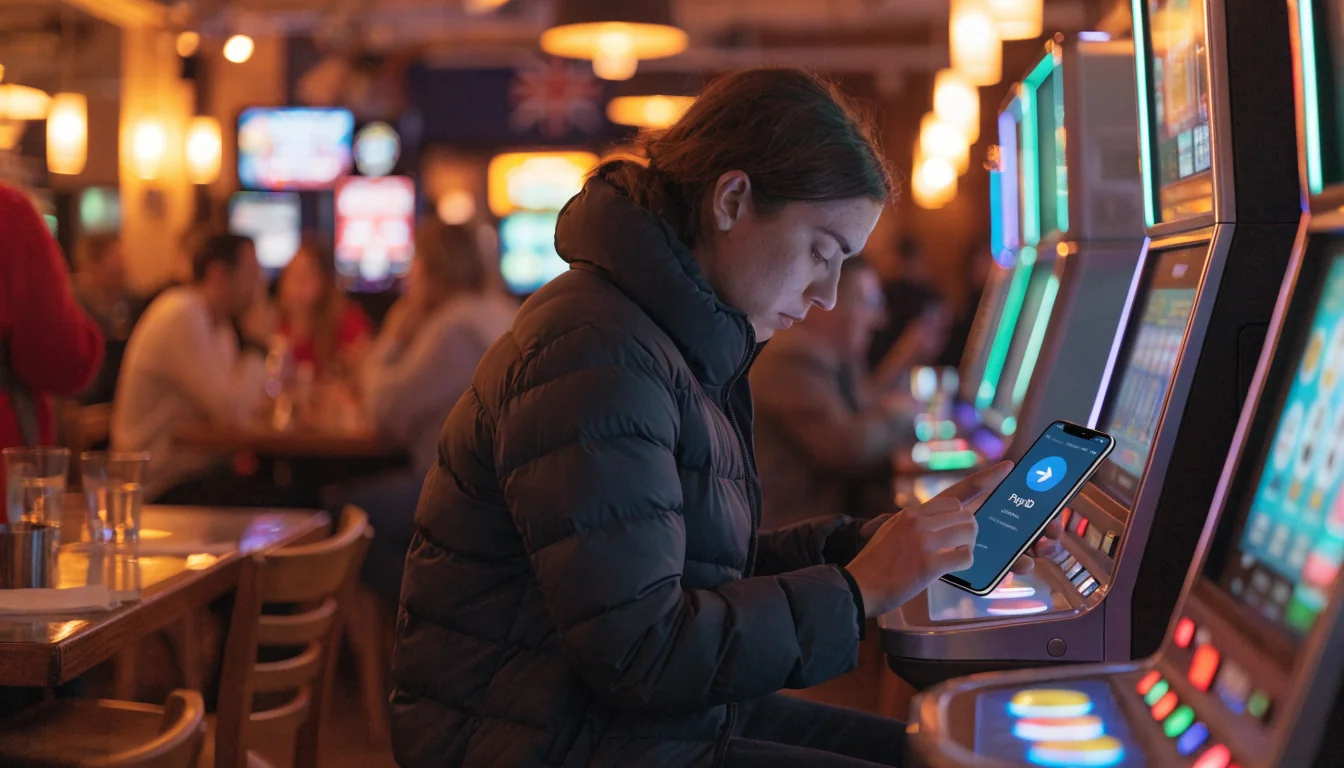
Indeed, failure to implement change amounts to continuing narrative. Over AUD 150 billion in turnover, AUD 12 billion in player losses, AUD 608 per adult annually — these figures wouldn’t persist if policy shifts gained genuine institutional traction. But while those numbers still cycle, Australians showcase the stark consequences of a gambling market normalised at school fetes, in pubs, clubs, casinos, and virtually every locality’s hospitality association. Machines that huge change behaviour. Machines that ubiquitous change society.
Dimensions readers should keep in view
Moving into subsequent discussions about pokies parlour bonuses, signup offers, VIP lounges and the like, grasping pokies’ deep reach remains essential. Bonuses attract play; scale explains why operators bother. Venues compete intensively precisely because they know a slice of that AUD 12 billion in player losses could land in their tills. Regulatory attention focuses similarly — not merely because pokies transact billions, but because those billions entice money launderers, problem gamblers, compliant operators, and compliant regulators into periodic collision.
Continued market dominance also means pokies are Australia’s primary gambling focus for harm-minimisation intervention. Advocacy efforts should concentrate where losses gravitate, and losses manifest most dramatically at pokies. Whether policymakers manage to reduce pokies’ grip on the country remains to be seen, but any review of Australia’s gambling habits must start and end with pokies. They own the space.
Understanding their size also highlights inadequacies of data. Official statistics measure turnover and losses accurately; single-source-reported numbers such as complyadvantage.com’s AUD 191.2 billion turnover speak to persistent consumer demand without necessarily defining the whole market. The 3%-versus-18% discrepancy for Australia’s share of world machines similarly masks honest irregularities within classification systems. When reviewing pokies critically, recognising these ambiguities teaches spectators how marketplace self-reports can distort as much as illuminate.
Main conclusion
Pokies dominate Australia’s gambling market, generating massive turnover and significant social and regulatory challenges.
The immediate picture, then: pokies permeate Australia fully sized, deeply normalised, geographically distributed, and financially immense. Nearly AUD 150 billion played during one recent financial year alone; AUD 12 billion disappeared; AUD 608 leaked per person; % data varies but defensibly confirms Australia runs an exorbitant fleet. Such configuration swiftly refutes any suggestion pokies occupy a marketplace niche. They occupy its centre instead.
How bonuses and sign‑up offers work for pokies parlours
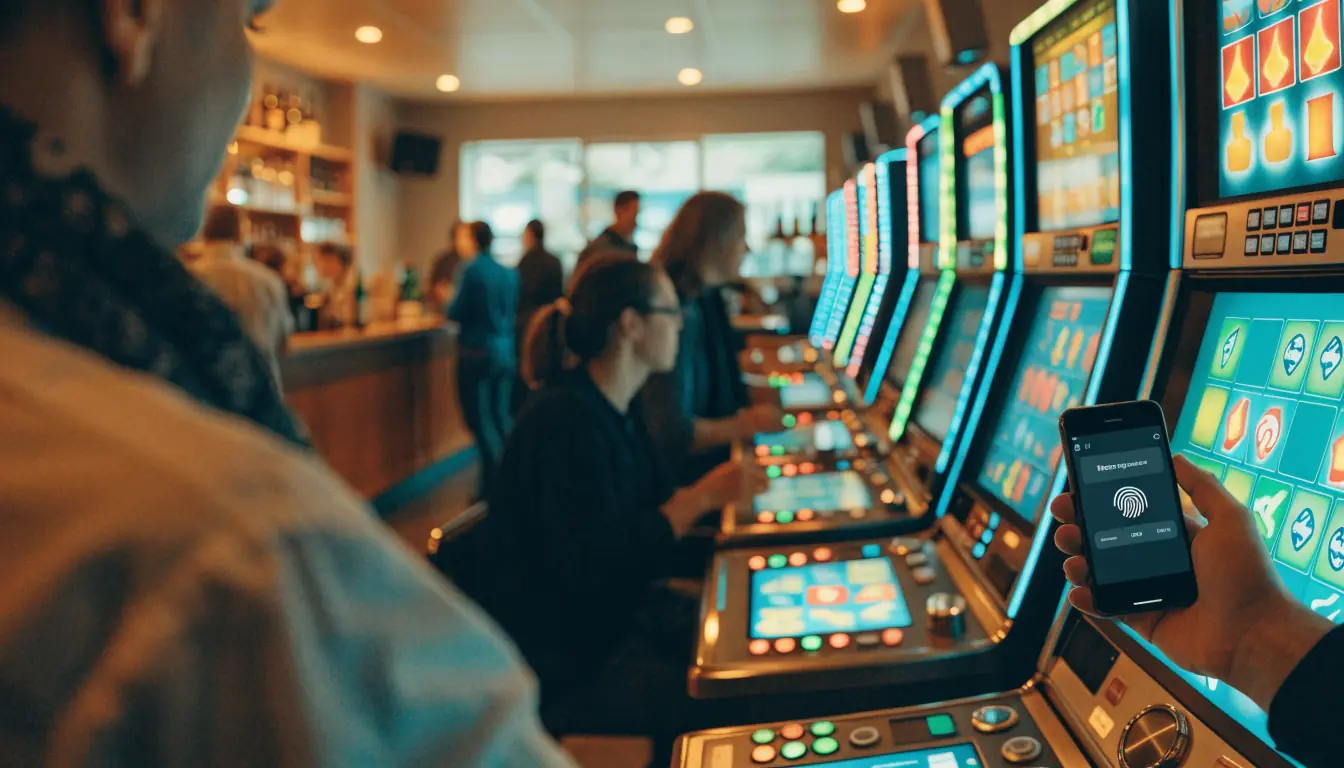
The phrase "pokies parlour bonus" carries a quiet irony in Australia. The Interactive Gambling Act 2001 makes it an offence for online operators to offer real‑money gambling to Australian residents, so the no‑deposit and sign‑up promotions that advertise themselves across offshore sites exist in a legal twilight — permitted to the individual player, prohibited to the operator offering them. The bonuses themselves are a familiar enough mechanism, though the legal backdrop gives them a distinctly Australian oddity: every dollar offered, every wagering requirement attached, every "free spins" entitlement belongs to an entity that, strictly speaking, should not be offering it at all.
The no‑deposit proposition: a gift that asks questions
The no‑deposit sign‑up bonus is the simplest form of the genre: an amount of bonus credit or a number of free spins granted upon registration, without an initial payment. Australian players encounter such offers only at offshore‑licensed venues, and the legal fact bears repeating — the prohibition targets the operator, not the individual player. Winnings remain untaxed under Australian law, a fact worth remembering when such promotions suggest a profit.
Yet these bonuses come with implicit arithmetic. Wagering requirements attach to the playing of bonus funds before any withdrawal; promotions are obliged to display these clearly, and any venue that fails to do so invites regulatory attention, even where regulators have limited reach. Compliance failures can attract remedial directions, infringement notices, civil fines — though enforcement against offshore operators remains a matter for the jurisdiction issuing the licence rather than Australian authorities.
Deposit bonuses: percentage matches and their conditions
The deposit bonus is the more substantial mechanism, offering a percentage match on an initial payment — often supplemented by free spins or credits. The crucial point here is the divergence in regulatory oversight. Domestic pokie venues, the pubs and clubs where electronic gaming machines physically reside, cannot legally extend sign‑up bonuses to entice Australian residents online; any venue that does so is operating in breach of Commonwealth law. Offshore sites from Malta, the UK, or other jurisdictions are the origin of such offers, and their bonus structures follow the conventions of their home licensing regime.
The consequences of bonus non‑compliance differ markedly between this domestic and offshore context. A domestic pub that operates up to fifteen machines faces registration obligations with AUSTRAC; more than fifteen requires a compliance officer and formal AML/CTF programs — a framework that bonus promotions complicate rather than simplify. Offshore operators advertising "sign‑up" credits are watched mainly for the integrity of their financial reporting, not domestic adherence.
The taxation of players remains refreshingly simple: no winnings from pokies, whether induced by bonuses or not, attract tax in Australia. The operator’s burden, by contrast, varies from state to state and by gambling service type — a variation entirely irrelevant to the individual spinning the reels.
What remains unsaid
Public sources detailing precisely which operators, brands or software providers are associated with pokies overview in Australia are not published — a gap worth naming plainly, not glossing.
Parlour casinos: where pokies meet the casino floor
Australians call them pokies, and the venues that host them resist neat labelling. A pokie parlour is rarely just a room of machines: at the larger end of the market it runs into the full casino floor, with tables, cages and high‑limit gaming areas sharing the same licence and the same cash flow. That overlap is why the pokie parlour casino has become the focus of the most consequential regulatory experiments in the country. The parlour casino is also where the customer transition from casual drop‑in play to structured, account‑based gambling is decided.
The policy push is cashless. According to complyadvantage.com, the 2022 NSW Islington Report recommended that every poker machine in New South Wales move to account‑based, non‑cash play by the end of 2028. For hybrid parlour casinos the implication goes beyond a new player card: once the poker machines in a pub‑casino format settle in auditable balances, the whole floor inherits the evidentiary record. Facctum.com reports that cashless, account‑based pokies improve traceability and reduce anonymity; the venue trades under manual cash risk for the clarity regulators want.
New South Wales has tied that shift to a sharper liability regime. An amendment to the Casino Control Act 1992 allows NSW casino operators to be fined up to AUD 100 million for compliance failures. A hybrid parlour casino therefore treats AML obligations as a casino‑grade burden rather than a club‑grade nuisance.
The venues matter because a single decision — to install cashless EGMs across the floor — determines whether the temptation of anonymity remains in the pokies parlour casino. That decision is no longer entirely venue‑level.
VIP parlour casinos: exclusive perks and their regulatory backdrop
High rollers receive markedly different treatment in these venues: private gaming rooms, dedicated hosts and tailored incentives remain the standard. Yet the provision of exclusive perks operates under tight regulatory oversight. Operators managing more than 15 pokies must follow specific compliance procedures to legally host VIP clients. These include appointing a designated compliance officer, performing risk assessments, executing comprehensive AML/CFT programs and completing customer due diligence. Furthermore, any transaction exceeding AUD 10,000 requires mandatory reporting directly to AUSTRAC. Thus, the exclusive “VIP” designation relies heavily on strict adherence to these operational rules. Consequently, venues promoting premium tiers must carefully balance elite customer privileges with extensive background checks and financial reporting obligations. High-stakes gaming functions only when operators satisfy these continuous monitoring requirements, ensuring that VIP service quality rests on a foundation of complete regulatory transparency.
Pokie parlour bonuses: structures and compliance considerations
Bonus credit, free spins, loyalty points: the structure matters less than what it conceals. Where a bonus meets cash, a channel opens—and regulators watch channels. According to complyadvantage.com, money mules are recruited to launder money specifically through pokies; bonus-linked accounts complicate that flow because they mix promotional credit with deposited funds, and disentangling the two becomes an audit task.
AUSTRAC’s red-flag taxonomy, published in its 2024 guide, extends well beyond the casino floor itself. Among the indicators are unusually high cash access, large deposits, cash transfers, casino disbursement checks, and—even more quietly—certain occupations. A bonus scheme that tolerates heavy cash-in, cash-out cycling is not generous. It is exposed.
The parlour that treats compliance as decoration will find the regulator uninterested in the décor.
Prepared by the Pokies Payouts Guide editorial staff.