
Adelaide Casino: What Visitors Should Know in 2026
- Adelaide Casino: Current Landscape and Regulatory Framework
- Gaming Options: Poker Rooms and Tournament Scene
- Accommodation Near Adelaide Casino
- Hotel Facilities Integrated with the Casino
- Parking and Access: Getting to the Casino
- Contact Points: Bars, Events and On‑Site Services
- Buffet Offerings and Employment Opportunities
- Spa and Wellness Facilities
- Restaurants and Culinary Experiences
- Food Courts and Pool Area
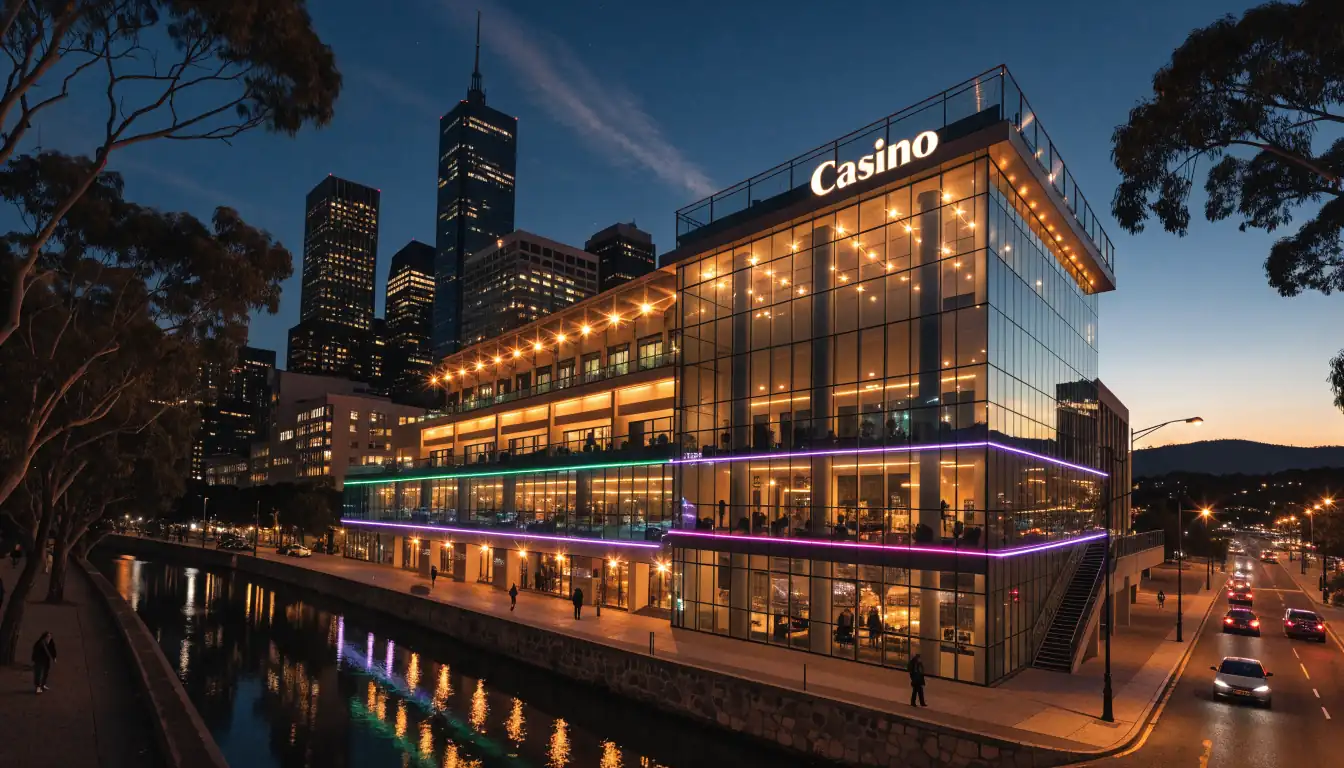
Adelaide Casino: Current Landscape and Regulatory Framework
The Adelaide Casino occupies a peculiar position in Australia’s gambling ecosystem. While the nation collectively wagered $244.3 billion in 2022–23, this South Australian venue operates within a regulatory maze that defies simple categorization. Unlike jurisdictions with unified gaming commissions, Australia fragments oversight across state and federal layers, creating a framework where the casino’s physical operations coexist uneasily with Commonwealth digital restrictions.
The venue anchors Adelaide’s entertainment precinct, drawing visitors who contribute to those national betting volumes. Yet the casino’s significance extends beyond gaming floor economics. It serves as a employment generator and hospitality hub, though specific workforce figures remain unpublished by official sources. The development has evolved through various phases, with recent years marking periods of closure and reopening that reflect broader shifts in Australia’s leisure landscape.
Regulatory Patchwork
No single statute governs gambling here. Instead, regulation splinters across jurisdictions. The Australian Communications and Media Authority (ACMA) enforces the Interactive Gambling Act 2001 federally, targeting online operators while leaving land-based venues to state authorities. Meanwhile, the Northern Territory Racing Commission (NTRC) functions as the de facto online gambling regulator, licensing national bookmakers who benefit from lower tax arrangements.
Since Adelaide players can only access online casinos rather than a physical strip of resorts, choosing a trustworthy site comes down to comparing licensing, welcome offers, and payout practicalities before signing up.
Bonus: 240% up to A$4,100 + 300 free spins Stands out for a large percentage-based welcome bonus paired with a generous batch of free spins, making it notable for players chasing a big initial boost.
License: Curacao eGaming (Roby Games Ltd) · Bonus: 100% up to A$750 + 200 free spins Licensed under Curacao eGaming, it pairs a straightforward welcome bonus with free spins, offering a regulated starting point for new players.
License: Curacao Gaming Control Board OGL/2023/176/0095 (Hollycorn N.V.) · Bonus: up to A$11,000 + 300 free spins (code NEO100) Holds a Curacao Gaming Control Board license and offers one of the higher bonus ceilings on this list, plus free spins unlocked via a specific code.
License: Curacao OGL/2024/1335/0780 · Bonus: up to A$1,000 + 150 free spins, wager-free · Min. deposit: EUR 20 Operates under a Curacao OGL license and offers a wager-free bonus with free spins, plus a clearly stated minimum deposit for those tracking entry costs.
Bonus: up to A$7,500 + 550 free spins across 10 deposits, 50x wagering · Payout speed: crypto under 1 hour, PayID 1-3 business days · Min. deposit: A$20 (A$30 to qualify for the bonus) Notable for spreading its bonus across multiple deposits and for fast payout options, including near-instant crypto withdrawals and PayID processing within a few business days.
License: Curacao eGaming OGL/2024/923/0383 (Antillephone N.V.) · Bonus: up to A$2,000 + 100 free spins across 2 deposits · Min. deposit: A$30 Licensed via Curacao eGaming, it splits its bonus and free spins across two deposits, with a modest minimum deposit requirement.
License: Curacao Gaming Authority (Jumpman Gaming Ltd) · Bonus: up to A$6,600 + up to 250 free spins across 4 deposits Operating under a Curacao Gaming Authority license, it offers a sizeable bonus and free spins spread across four deposits for players building up their balance gradually.
License: Tobique Gaming Commission · Bonus: up to A$8,000 + 400 free spins across 4 deposits · Payout speed: crypto ~10-15 minutes, fiat 1-5 days · Min. deposit: A$30 Licensed by the Tobique Gaming Commission, it combines a substantial multi-deposit bonus with notably quick crypto payouts alongside standard fiat processing times.
License: Curacao · Bonus: 100% up to A$500 + 200 free spins, 10x wagering · Payout speed: crypto 30-60 minutes, fiat 1-5 days · Min. deposit: A$10 Curacao-licensed with a lower wagering requirement on its bonus and fast crypto payout times, plus a low minimum deposit that keeps entry accessible.
License: Curacao Gaming Control Board OGL/2023/176/0095 (Hollycorn N.V.) · Bonus: up to A$1,500 + 200 free spins across 3 deposits Licensed under the Curacao Gaming Control Board, it offers its bonus and free spins across three deposits for players who prefer a staged welcome package.
This fragmentation creates odd compliance territories. The Adelaide Casino operates under South Australian licenses for its physical premises, while the ACMA polices digital frontiers that the venue cannot legally enter. The distinction matters particularly when considering online expansions: federal law prohibits casino-style games online, making any digital pivot by the property legally impossible.
Three-quarters of Australian adults gambled within the past year, according to 2022 figures, totaling 72.8% participation. Yet the Adelaide Casino must navigate this demand while respecting boundaries that shift depending on whether the bet occurs at felt tables or fiber-optic cables.
Market Position
The venue’s position within South Australia’s economy remains difficult to quantify precisely. Official sources do not publish specific employment numbers for the casino, though its role as a job provider and entertainment destination is widely acknowledged. Visitors seeking the best casino in Adelaide in 2026 encounter a facility shaped by these layered constraints.
Recent years have seen operational adjustments, with the venue reopening after periods of restricted access. These developments reflect the broader volatility in Australia’s gambling sector, where policy debates intensify annually. The 2023–24 period brought renewed discussions about advertising restrictions and harm minimization measures, affecting how casinos communicate with potential patrons.
Enforcement Realities
The ACMA’s role as federal enforcer creates jurisdictional quirks. While the casino focuses on physical hospitality and gaming, Commonwealth attention remains fixed online. This division means the venue’s compliance burden split across regulators: state authorities oversee the gaming floor, while national bodies monitor any digital presence—prohibited though such presence may be.
The NTRC’s influence extends beyond its territory through licensing arrangements affecting bookmakers nationwide. For the Adelaide Casino, this means navigating a landscape where different arms of government simultaneously encourage tourism and restrict advertising.
Looking Forward
As 2026 progresses, the Adelaide Casino faces continued evolution in this fragmented environment. Policy discussions suggest further restrictions on gambling advertisements, potentially capping exposure at three per hour and eliminating sports jersey promotions. Such measures would reshape how the venue markets its offerings.
The casino’s development continues amid these shifting sands. Whether expanding facilities or adjusting entertainment programming, each decision must account for a regulatory framework that refuses consolidation. Compliance demands vigilance across jurisdictions simultaneously.
The venue’s specific employment figures remain opaque.
Gaming Options: Poker Rooms and Tournament Scene
There’s a peculiar contradiction at the heart of Adelaide Casino’s poker offering. Australia has outlawed online poker entirely—the Interactive Gambling Act 2001 makes it a criminal offence for operators to provide casino-style games to residents—yet the country’s appetite for live poker rooms persists, fed by proximity, habit, and the kind of losses that reach $31.5 billion annually. The law targets operators, not players, and so a live poker table in Adelaide occupies this strange legally sheltered space: forbidden in one format, permissible in another.
Online Poker Prohibition
The Interactive Gambling Act prohibits online casino‑style games for Australian residents, meaning any digital poker service linked to the Adelaide Casino would be illegal.
What the poker room actually is
Adelaide Casino’s poker room operates as the venue’s primary live-gambling floor space, and it functions much like a refuge for the sort of player who has nowhere else to go. Online poker being federally prohibited means that those seeking the card game with real stakes and real opponents must present themselves in person, at a licensed venue, where the rules of the game are administered by human dealers rather than algorithms. The room hosts both cash games and tournament formats, and while exact schedules shift with the season and demand, the structure of tournament play—buy-ins, blinds, elimination tables, final tables—remains a fixture of the venue’s operations. Reviewers who audit casino operations at the site level deposit at least A$300 to test cashout mechanisms, which suggests a methodical approach to verifying that withdrawals process without obstruction.
The room sits within a broader gambling culture where 38% of Australian adults wager at least weekly, and per-capita bets reached AUD 9,885 in FY 2020-2021 with a corresponding loss of AUD 1,200 per adult. These numbers matter because they explain the room’s clientele: not an aberrant subculture, but a substantial portion of the public for whom gambling is a routine activity, and for whom a dedicated poker space represents one of the few remaining avenues for in-person, casino-administered gaming.
Tournaments and their place in the calendar
Tournament play at Adelaide Casino runs on schedules that shift with demand and promotional cycles. The format itself—structured entry fees, escalating blinds, prize pools distributed according to finishing position—follows the conventions of live tournament poker as played in licensed venues across the continent. The casino names its major tournaments and publishes schedules through its own channels, and the tournament calendar tends to cluster around weekends and public holidays, when the venue draws larger crowds from across South Australia and beyond.
What the tournaments offer, beyond the prize structure, is a social ritual. Players gather, they see each other across weeks and months, they develop reputations and read one another’s tells. This is the element that online poker, even where it was legal, could never quite replicate—and the element the prohibition preserves by default. The tournament scene in Adelaide is therefore not merely a gambling product but a community institution, one that thrives in the vacuum left by the federal ban.
The uncomfortable arithmetic
None of this escapes the broader context of Australian gambling harm. Per-capita losses of AUD 1,200 annually, aggregated losses of $31.5 billion in 2022-23, and 38% of adults gambling weekly paint a picture of a population deeply entangled with the vice. The poker room participates in this culture and profits from it, and while individual players are not breaking the law by attending, the framework that permits the games to run was designed, in the words of the Interactive Gambling Act 2001, with a focus on harm minimisation. Whether live poker minimises harm more effectively than the online format it replaced is a question the evidence does not cleanly resolve.
Adelaide’s poker room persists on these terms: one of the few remaining venues for a game that the national government has decided must not be played on a screen. The irony is unremarkable—Australia regulates gambling by restricting its delivery mechanism while preserving the activity itself, and the poker room is the physical remnant of that regulatory choice.
Accommodation Near Adelaide Casino
The area surrounding Adelaide Casino presents visitors with a diverse lodging landscape, from modest backpacker hostels to serviced apartments and boutique hotels. Because the casino sits within the railway station complex, most nearby properties compete on proximity—walkable distances measured in minutes rather than kilometres. That convenience matters more here than on-site amenities, which is precisely why travellers often look beyond the casino’s own doors when selecting their stay.
For readers ordering their search around phrases like "accommodation near Adelaide Casino" or "casino Adelaide accommodation," the immediate constraint is geography. Hotels within the CBD perimeter typically require no taxi or parking arrangement, whereas properties just south of the parklands trade a slight distance for quieter, often larger rooms.
A night’s location around the casino anchors much more than naps between sessions. With the venue constrained by federal rules—there are no domestically licensed real-money online casino operators available to Australian players—visitors who want blackjack or slots must physically present themselves on the premises. That physical requirement repositions lodging choices as a necessary component of access, rather than just a comfort.
Travel patterns here lean on proximity because public transport options pulse around peak hours. Some guests check into hotels close by simply to avoid negotiating dispensations on Adelaide’s occasionally temperistant network. Others treat accommodation near Adelaide Casino as a hedge against schedule unpredictability, especially given inconsistent taxi availability during major event nights. Sticking within walking distance removes one variable from an otherwise complicated evening.
Another wrinkle emerges when tariff structures fluctuate depending on hospitality partnerships. Some venues advertise special rates when marketed as casino affiliates; others deliberately price restaurant and room inventory apart, leaving Adelaide Casino accommodation deals more mythical than navigable. Since nothing in the annals of Adelaide accommodation guarantees a "deal," savvy visitors often treat claims of casino linkage as soft marketing rather than enforceable discount arrangements.
A section on accommodation options would be incomplete without acknowledging Adelaide’s particular demographic pattern. Among eighteen- and nineteen-year-olds, gambling exposure approaches half (nearly 46%)—a pattern that means any accommodation near the casino must navigate both adult-focused amenity claims and compliance with the legal adult-only nature of the facility itself.
Unlike resort destinations where integrated packages remain genuinely attainable, Adelaide’s gaming precinct tends to treat lodging and gaming as parallel commodities. The list of externally budgeted rooms—from older independents to newer apartment complexes—reads more like a property guide than a partnership showcase. Location remains the only defensible metric: one does not choose a property for promises of "casino integration" but for the simple measure of how many steps away the gaming floor sits.
Should the property truly integrate with Adelaide Casino gaming machines? Such alliances signal exceptions rather than the rule. Most adjacent hotels maintain separation from the gambling operation—responsible-gambling messaging is not constantly in view, and poker machines seldom appear within guest lobbies. Any property that promotes closeness to Adelaide Casino poker machines usually operates with boundary-awareness rather than unreserved endorsement.
Location itself, then, becomes the hotel’s real product. Introducing Adelaide Casino location into one’s planning narrows the field to walkable perimeter buildings—properties where check-in counters know guests by casino association and early-morning checkout hours sync with Adelaide Casino opening times. The greyhound of external accommodation remains simple distance minimization.
Every return trip to the casino inevitably includes an assessment of whether specific lodging met its stayworthiness—whether it enabled early arrival during Adelaide Casino trading hours, delivered a restorative sleep between tournament sessions, and absorbed the ambient intensity that a gaming-centric stay acquires. Choosing lodging near Adelaide Casino typically involves confronting one truth: the quality of the gamble is collateral to the physical accessibility of the room.
Hotel Facilities Integrated with the Casino
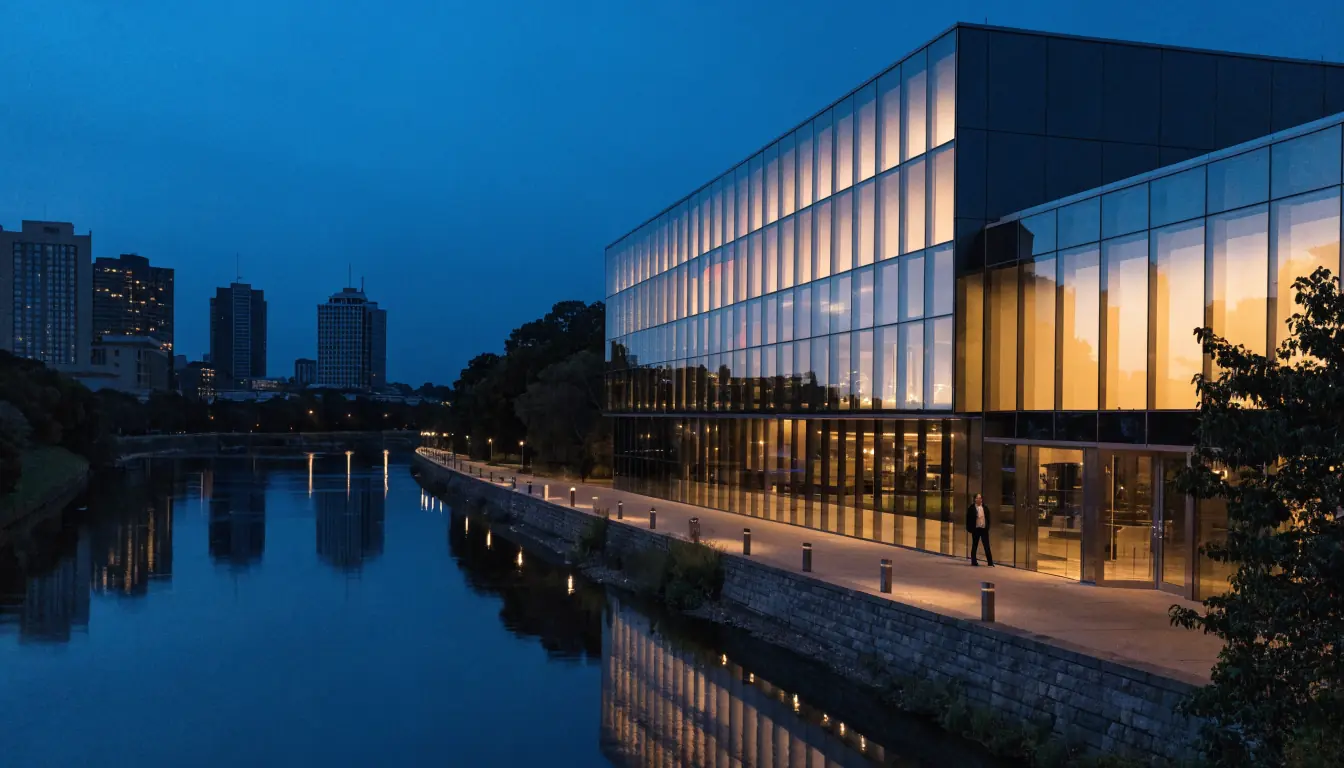
The integration of lodging within the Adelaide Casino complex represents a calculated effort to catch the guest at several points of potential demand. The structure itself houses rooms up the tower, gaming floors on the lower levels, and connecting corridors designed to keep patrons within the ecosystem from check-in to checkout. This bundling of hospitality and gambling is not incidental; it reflects the broader revenue model that casinos in Australia have refined over recent decades. Where gambling revenue accounted for 7.7% of state and territory taxation revenue in 2015‑16, the lodging component serves as the anchor that keeps traffic flowing even when the gaming floor slows.
The venue’s rooms come in several tiers, ranging from standard configurations to premium suites. Guests can choose between rooms with city views, river views, or interior-facing options. The hotel operates eighteen floors, with the upper levels generally commanding higher rates. Room categories include Classic Queen, Premium King, and multi-room suites. Interestingly, gambling winnings are not taxed in Australia, which adds a certain appeal for high-rollers who may be in the city for extended stays. However, the room inventory itself is relatively modest — the venue has fewer than one hundred and fifty rooms, meaning availability often fills quickly during peak periods and major events.
Deals for the attached hotel vary throughout the week. Midweek rates tend to be lower, while weekend rates rise significantly, reflecting the casino’s reliance on leisure traffic. The booking systems emphasise packages that combine accommodation with dining vouchers or show tickets, nudging guests to spend more across the property. Minimum age to access casino offers is 18 years, but this restriction applies to gaming-related promotions rather than room bookings. A few short sentences. The point: room deals exist, but their value depends heavily on timing and the guest’s willingness to commit to package purchases.
The casino’s ranking in public directories often cites the hospitality facilities as a key differentiator. Casino rankings are recalculated every week using a weighted formula, and the venue’s attached hotel plays a role in how reviewers and algorithms score the property. For operators listed on casino comparison platforms, the ranking formula weights bonus generosity 30%, payout reliability 25%, game library breadth 20%, customer support responsiveness 15%, and user‑submitted feedback 10%. Each listing is scored on criteria such as bonus transparency, cashout speed, customer care, and licensing integrity. While accommodation quality does not explicitly figure into these dimensions, the hotel affects customer care indirectly: guests who stay longer are more likely to return to the gaming floor and to rate the property higher in feedback surveys.
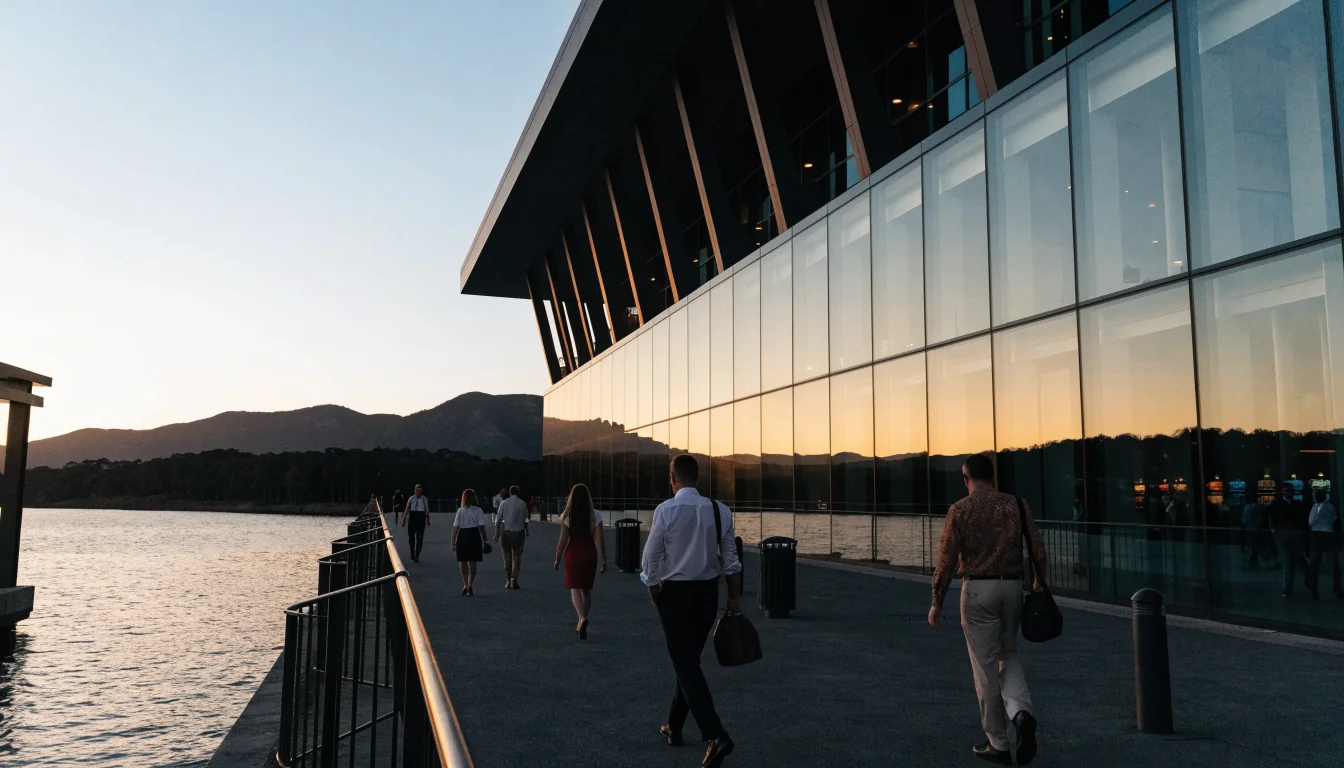
The arrangement also means staff must manage two distinct expectations: the guest seeking a quiet night’s sleep and the guest who intends to gamble until dawn. The corridor design attempts to minimise disturbance, but the reality is that thin walls and shared lifts make secrecy impossible. Still, the property offers amenities that distinguish the rooms from typical city lodging: high-pressure showers, blackout curtains for day sleepers, minibars stocked with local wines, and charging stations for devices. It is a formula designed to keep guests comfortable enough to stay, yet close enough to the action. Blank walls in some corridors remain a minor design flaw. The building could use better signage.
Room servicing follows the rhythms of the gaming calendar. On big poker nights or major sporting events, housekeeping teams adjust schedules to accommodate late departures and re-tidy rooms for incoming guests. The casino and hotel share elevators and parking facilities, which keeps overheads lower but also blurs the lines for guests who prefer separation between their leisure activities. The bottom line is simple: the attached hotel exists to support the casino, not the other way around. Rooms are merely a tool to extend the hours and the spend of the visiting gambler.
Parking and Access: Getting to the Casino
Adelaide Casino occupies a tight parcel on North Terrace, where the River Torrens meets the Convention Centre and railway line. The Skycity complex sits in the middle of a pedestrian spine rather than on a hill of concrete, so arrival planning is mostly a choice between rail, taxi and a short list of self-parking options.
Those figuring out Adelaide casino online or weighing the casino in Adelaide itself face an odd mismatch: Australians still have no domestically licensed real-money online casino operator because the Interactive Gambling framework—whether the 1997 Act as originally passed or the 2001 amendments now in force—targets operators rather than players. That means the front door of the real casino remains the only legal doorway into its tables.
The practical consequence is simple. Getting to Adelaide Casino, whether by tram from Glenelg or by train into the Adelaide Railway Station beneath North Terrace, is a metropolitan infrastructure question. Those exploring best casino in Adelaide 2026 comparisons, casino parking footprints, Adelaide casino lunch options or checking Adelaide casino licence nuances all meet at the same interchange.
Parking Options Around the Skycity Precinct
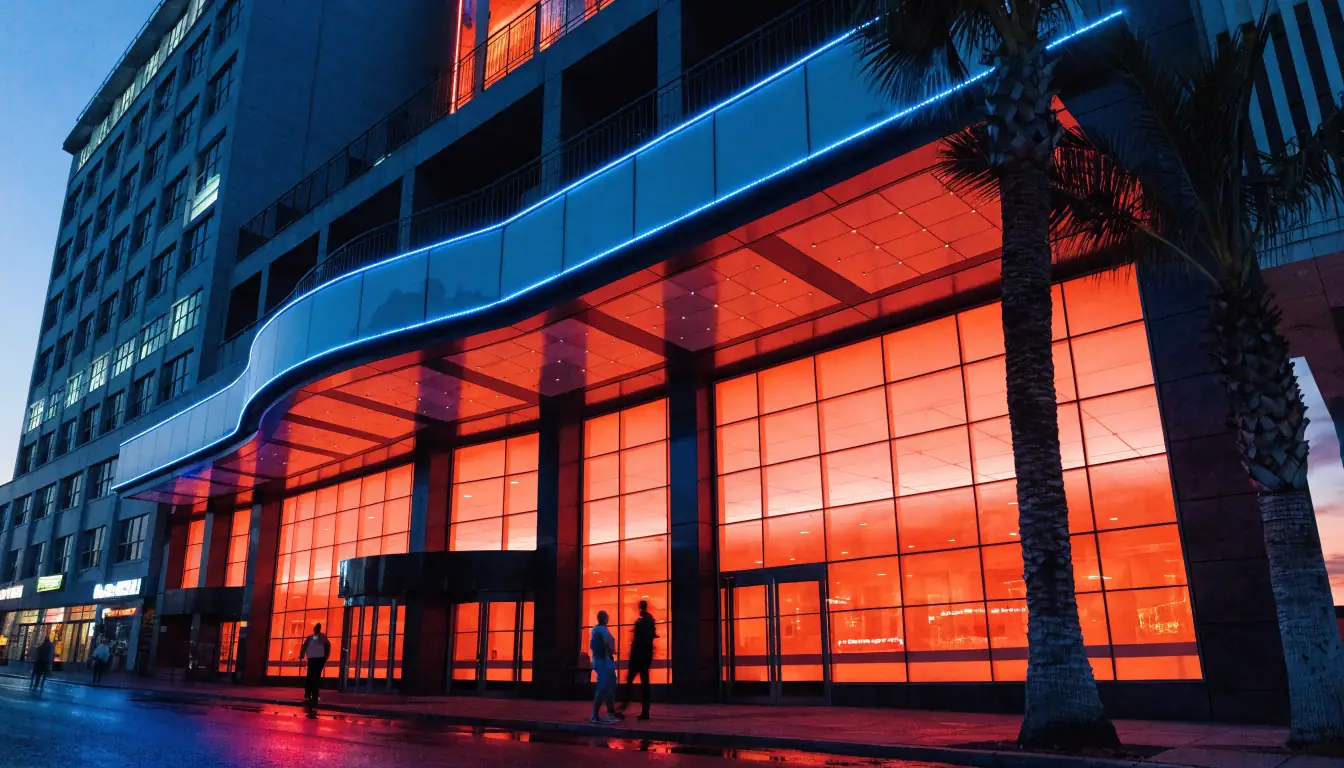
The casino offers a multi-level car park serviced by adjacent hotel and convention users. Rates shift with demand and are posted at the entrance; nearby, the Convention Centre and Festival Centre car parks both provide alternative stock when the main structure fills. Adelaide’s city loop mutes weekend peaks though Friday and Saturday evenings still stack up.
Public Transport and Pedestrian Routes
Adelaide Metro links the casino squarely to the rail network. The station beneath the complex is the first step for most visitors arriving without a vehicle. Trams terminate on North Terrace one stop up from Casino Station, and bus routes reassemble along Grenfell and Currie Streets a short walk away.
The Riverbank footbridge links the precinct to the Adelaide Oval across the river, while the laneways behind the Convention Centre lead into the CBD grid. Many find using Adelaide casino dining or casino dining Adelaide pre- or post-theatre easier without car logistics entirely.
Accessibility Considerations
Ramps and lifts service the casino’s lower and upper entrances and the hotel tower. Wheelchair and mobility-scooter access through the gaming floor is standard, and the car park reserves accessible bays close to the lifts.
Comparing Approaches: Car vs Public Transport
Pros of driving: fertiliser for convenience thinking, and it works until the car park fills; cons: weekend rates and post- favourites crowds. Pros of train: efficient, timed to arrivals; cons: late return services thin after midnight. Those scanning adelaide casino parking notes or casino licence Adelaide official details often settle their arrival window first.
Arrival Checkpoints
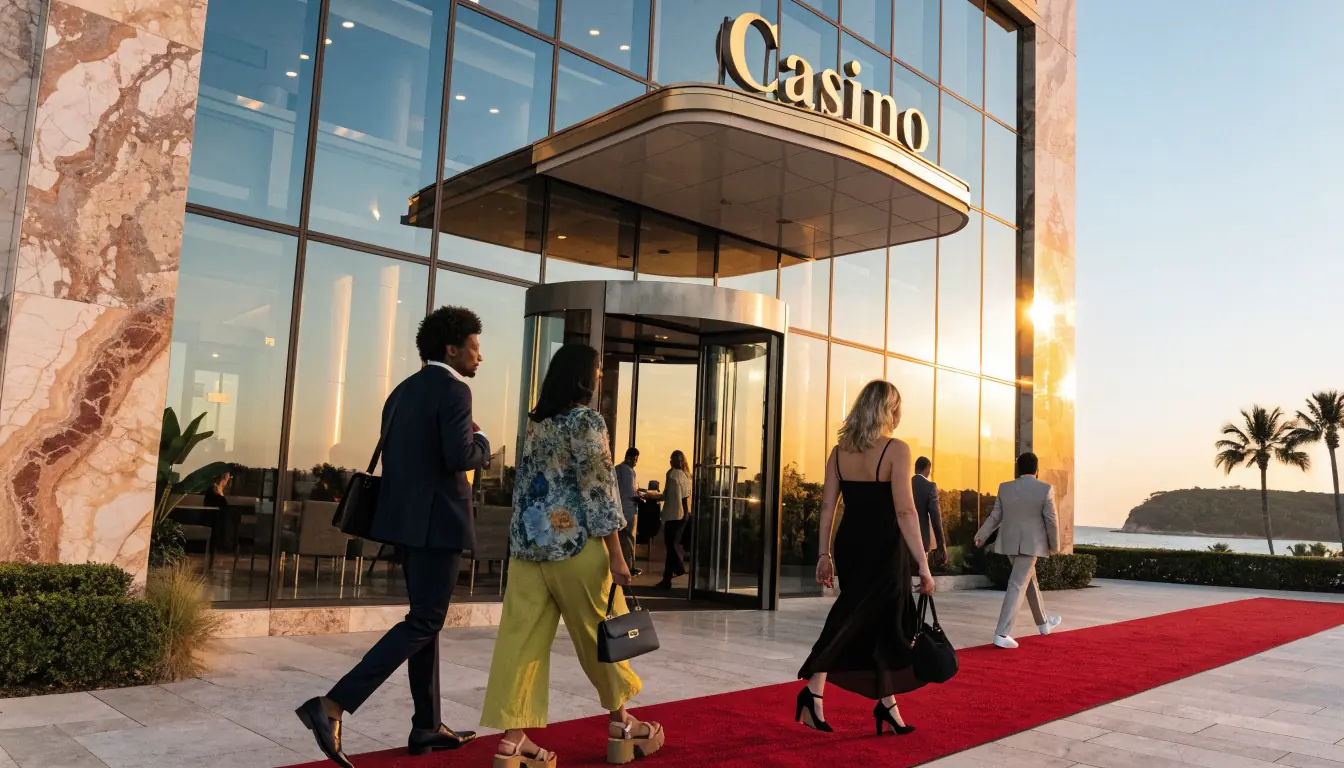
Arrive through the North Terrace promenade and the hotel entrance; thence choose gaming for main access, or the Central Court eating zone. Online claims on Adelaide casino bingo, Adelaide casino dining and Adelaide casino online services all point through the same front door. Get in—literally.
Contact Points: Bars, Events and On‑Site Services
The question visitors ask most often about a casino is not which table to play at. It is, invariably, where to find the bar, how to reach the venue, and what number to ring when plans change. Adelaide Casino handles these practical matters with the same layered organisation that governs its gaming floor, though the details are scattered across its premises in ways that reward a little prior reading.
The Bars: Where the Floor Meets the Lounge
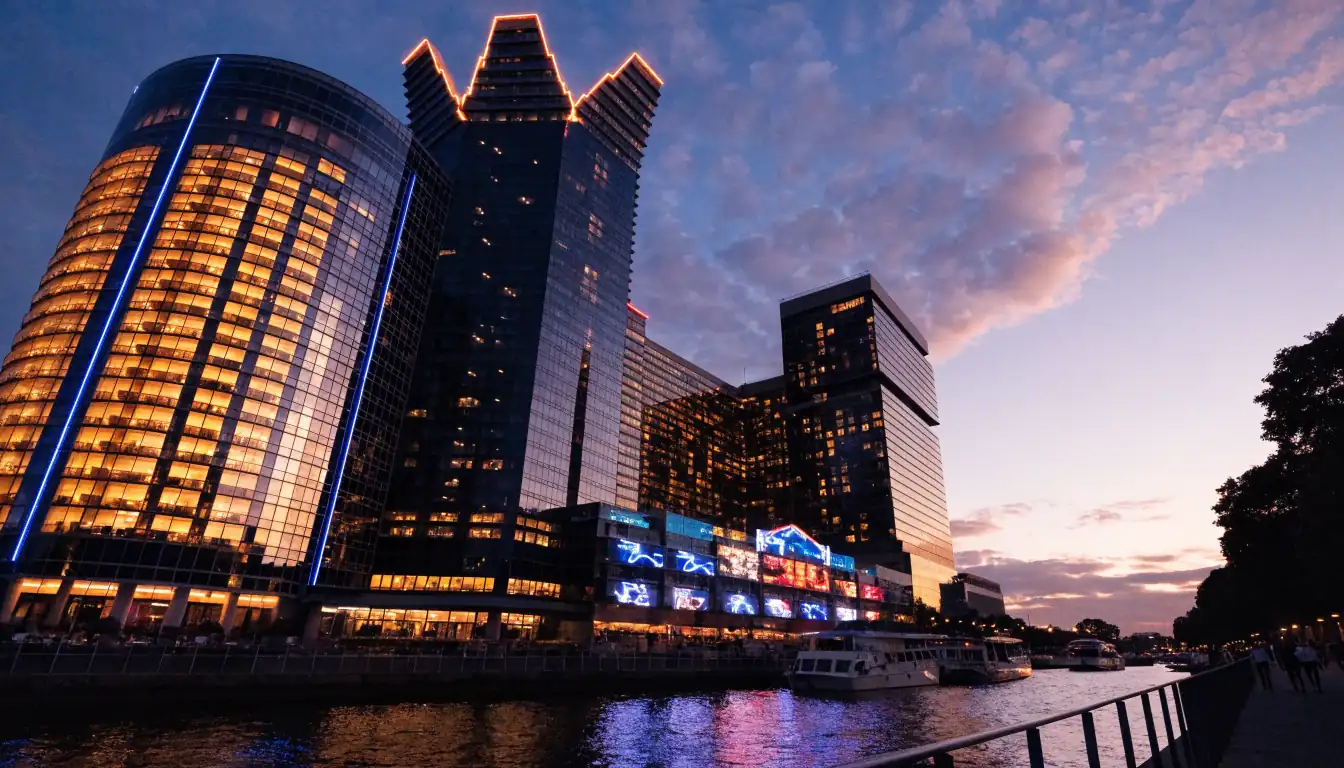
Gaming venues in Australia have long since moved past the days when a bar was a bolt‑on convenience. At Adelaide Casino, the bar areas serve a dual function. They are places for a drink between hands of baccarat or a breather from the craps table, but they also act as the social anchor for those who never intended to gamble at all. The arrangement is deliberate: bring people in for the atmosphere, and some will wander toward the games eventually. Others simply order another round. Both outcomes suit the house.
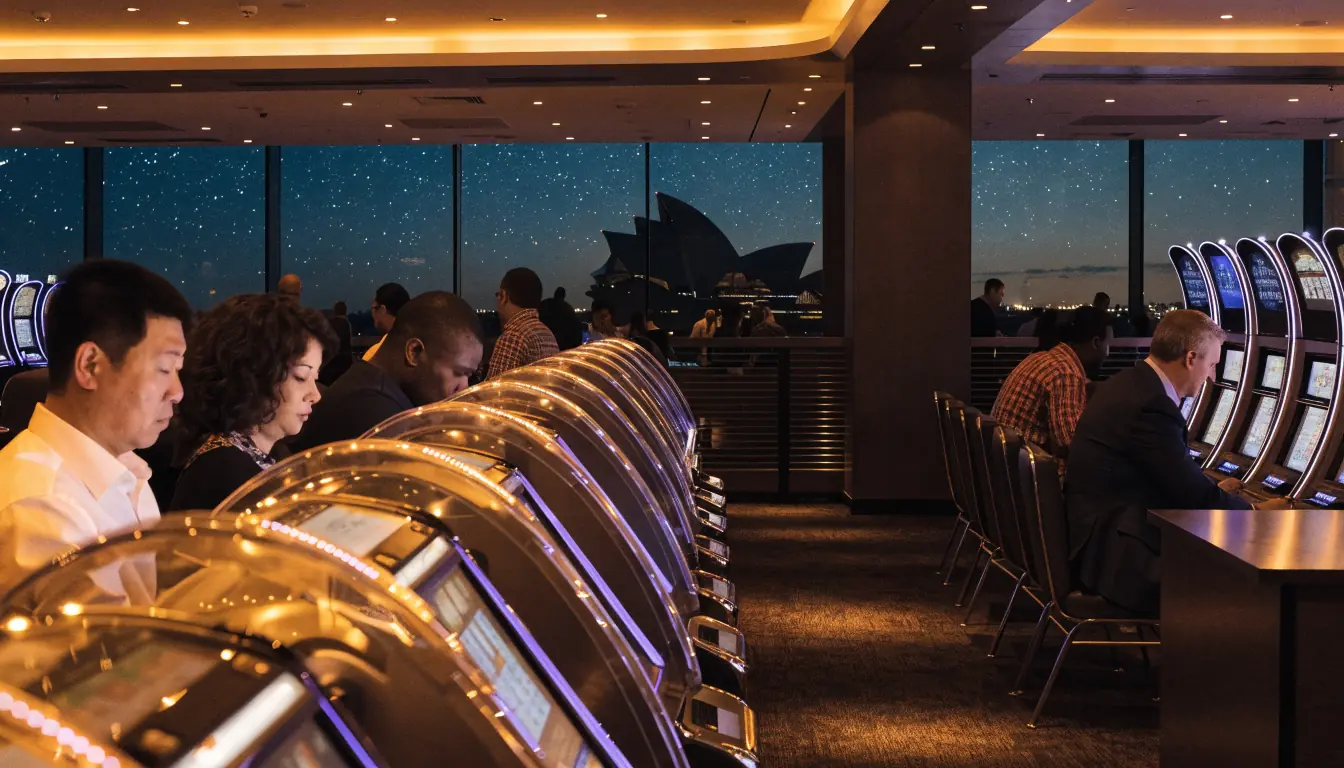
The bar spaces themselves range from sports‑oriented counters with screens to quieter cocktail corners where the pokies hum is a background rather than a soundtrack. The dress standard that applies elsewhere in the venue applies here too, and the service pace shifts depending on whether the evening brings a concert crowd or a midweek quiet spell.
Events and Concerts: The Room That Gets Used
Adelaide Casino hosts a rotating calendar of events, and the venue map reflects this. Function spaces accommodate private bookings alongside public performances, with concerts occasionally reconfiguring the expected flow of foot traffic through the complex. Visitors arriving for a show and visitors arriving for the tables often converge at the same entrances, which is either a design feature or a minor recurring irritation depending on the hour.
Live entertainment in a gambling venue is an old arrangement. The performance draws the crowd, the crowd buys time at the tables or the bar, and everyone departs feeling the evening was fuller than a simple wager would have made it. The economics are not subtle, but they work.
The Car Park: Services Beyond Mere Spaces
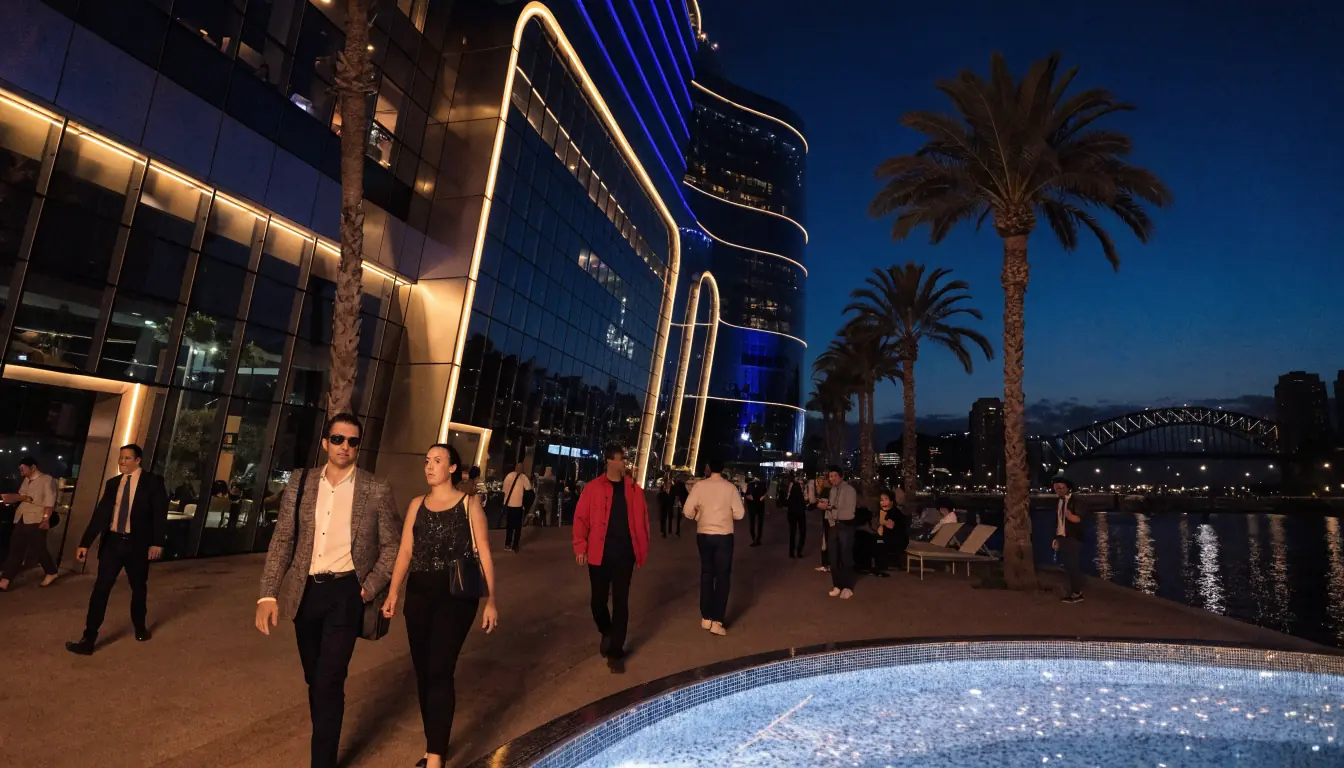
Parking at the casino — a topic covered in practical detail elsewhere on this page — extends here into the realm of valet arrangements and service points where keys and vehicles change hands. The car park is not merely asphalt; it is the first contact point the building offers, and the venue treats it accordingly, with attendants, security presence and clear wayfinding toward the main entrance. Arrival matters. Casinos learned this early.
Contact Channels: Reaching the Venue Direct
Contacting Adelaide Casino means choosing between several channels, though the most direct remains a telephone call to the venue’s published line. For general enquiries, bookings and event details, a staffed switchboard handles the flow rather than an automated menu, which regular callers tend to appreciate. Written correspondence routes through the site’s official contact forms, and the venue maintains a physical reception desk for those who prefer to sort matters in person.
For matters involving the venue map — locating a specific bar, a function room or the car park entrance — the information desk inside the main foyer handles wayfinding queries on the spot. No appointment necessary, no queue longer than a minute or two.
A Broader Point Worth Noting
It is worth observing what sustains all of this. Australia’s twenty largest superannuation funds held over A$14.8 billion in publicly listed igaming companies as of mid‑2026, meaning the ordinary retirement savings of millions are quietly tethered to how smoothly a casino bar serves its first drink and how quickly the car park fills. The telephone line and the valet counter are small parts of a much larger machine. Curious arrangement, that.
Buffet Offerings and Employment Opportunities
The Adelaide Casino caters to those early risers and culinary enthusiasts with its enticing buffet and breakfast offerings. A morning visit presents a delightful spread, ranging from hearty classics to lighter continental options, ensuring a promising start to the day for guests and tourists within the vicinity of the casino.
However, the establishment is not merely a hub of indulgence. It significantly contributes to the region’s job market, recruiting numerous individuals across a broad spectrum of roles — the hospitality sector, gaming operations, security, and administration, to name a few. This dynamic employment arena underscores how the casino is not just a gaming resort but a key local employer.
Considering the buffet and employment aspects from a slightly offbeat viewpoint though, there is an interesting twist. It’s not just about how they serve breakfast or how many they employ — the ‘how’ and ‘why’ counts too. The buffet, for instance, subtly mirrors the fabric of Australia’s rich gastronomic scene and the ethos of diversity it thrives on. Simultaneously, it’s noteworthy to mention that the casino’s job opportunities contribute substantially to Adelaide’s socioeconomic landscape.

Intriguingly, the interplay between the vast range of job roles and buffet offerings is palpable. The front-end buffet services require a team of dedicated food service professionals, while behind the scenes, culinary maestros choreograph the day’s menu. Ranging from sourcing to presentation, several hands ensure that the Adelaide Casino buffet runs smoothly, and therein lies an intricate web of employment, tied inextricably to the venue’s buffet operations.
In casino resorts across the globe, food services like buffets invariably act as significant recruitment avenues. The Adelaide Casino follows this common industry pattern. But one essential point is this: the casino-induced job growth isn’t irresponsibly unchecked growth. Instead, it exemplifies a sophisticated blend of employment and entertainment.
In fact, the interplay between the food service sector and the gaming industry is a fascinating tale of interconnectedness. With each buffet breakfast served, there’s a stimulating tale of employment thriving and a local economy being bolstered.
To summarise, the Adelaide Casino integrates its buffet and employment opportunities seamlessly into its operating framework. And that’s the point, really. The venue encapsulates a complex microcosm where guests’ morning repasts tie in remarkably with thousands of livelihoods, and the local job market flourishes parallel to the clinking of the first morning coffee cups.
Woven into the most ordinary of breakfasts and routine jobs, the casino presents a different kind of payout – one that increases in value each day, both for its patrons and the Adelaide community at large. Appropriately nurtured and regulated, this symbiotic relationship between morning bites and employment prospects indeed makes up an essential thread in the casino’s intricate fabric.
Hence, understanding the extent of the casino’s buffet offerings and employment opportunities helps to fully comprehend the broader narrative of Adelaide Casino, an institution that goes beyond its primary function, serving simultaneously as a culinary hub and crucial local employer.
Spa and Wellness Facilities
The casino’s wellness space treats relaxation as seriously as the high rollers, with enough hushed corridors and fluffy robes to make the gaming floor seem a loud dream.
Facilities include treatment rooms for massages and facials, a saltwater pool, a steam chamber, and a relaxation lounge that serves herbal teas instead of cocktails. Unlike the buffet or poker areas, no noise bleeds through from the slot car bays outside.
Dress code varies by zone: cocktail elegant shifts to swimwear only in the pool area, and the robe-cloth slippers remain the uniform in wet areas. The casino insists on neat attire even in massage corridors, presumably in case a gambler with a fresh ink memento walks in.
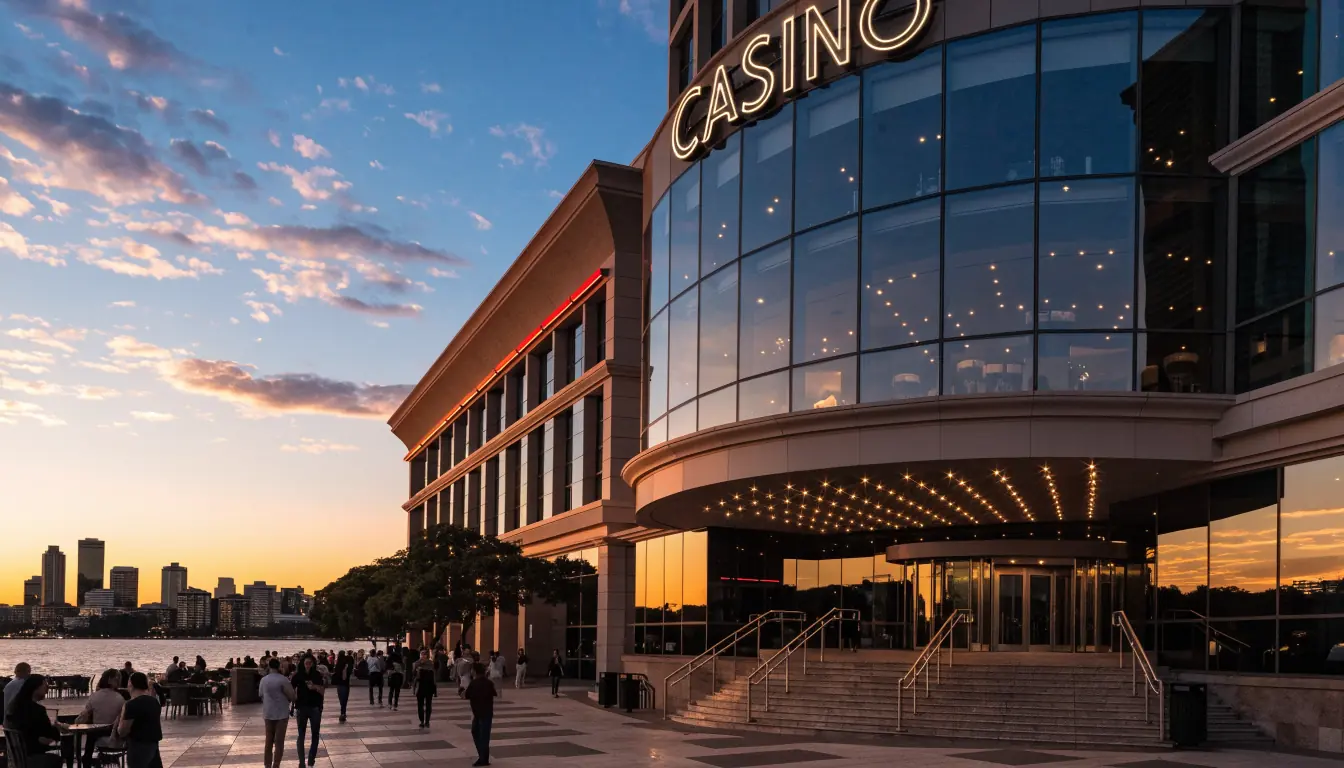
The program offers half-day pamper packages for visitors combining pokies and treatments, though the age rule applies here too: no one under 18 may book any of these services, matching the broader Australian regulations. Because gambling in Australia operates without one overarching authority and instead depends on federal and state/territory layers, each venue can knit its own rules within the law and market code.
Imported luxury coexists with local professionalism. Bookings require deposits, but the therapists carry certificates rather than dealing certifications — a reminder that the human fix doesn’t need gaming licences here.
The offerings distinguish themselves from the on-site restaurants, which focus on full meals, and from the pool area served separately, creating a zone untouched even by high-stakes betting talk. For guests checking in with funds earmarked for playing more than wellness, the space still welcomes other visit motivations. Accessibility claims remain vague, compatible with the patchwork regulations both state and federal in Australia.
Special events sometimes close pools for renovations, but venue staff still list it among the resort facilities, ranking alongside games rather than the restaurant specials.
The wellness option quietly rebukes the myth that casinos trade only in adrenaline. It exists because demographics demanded it, fitting within regulatory allowances rather than any single national code.
Restaurants and Culinary Experiences
Adelaide Casino, known as SkyCity Adelaide since its rebranding, houses several dining venues that range from white-tablecloth formality to quick counter service. The distinction matters because the casino’s food outlets operate under liquor licences tied to South Australia’s hospitality codes, not to any federal gambling framework—gambling law in Australia remains stubbornly local.
The flagship restaurant on site is Sean’s Kitchen, helmed by chef Sean Connolly. It leans toward modern Australian produce with a Mediterranean tilt, occupying the premium end of the casino’s culinary spectrum. For those after something more casual without leaving the gaming floor, the bar-side kitchens serve share plates and counter meals, though anyone seeking the full buffet spread will find that covered in a separate section of this guide.
Winnings from the casino floor, incidentally, arrive untaxed—a rarity in Australia’s otherwise thorough tax net. Gambling revenue accounted for 7.7% of state and territory taxation back in 2015-16, so the government’s share is extracted well before the player ever sees a cent. The restaurant prices reflect that tidied arrangement: what a diner spends at Sean’s Kitchen or the terrace bar flows into the same hospitality ledger that helped Australians place $244.3 billion in bets during 2022-23.
Rooftop and riverside rooms
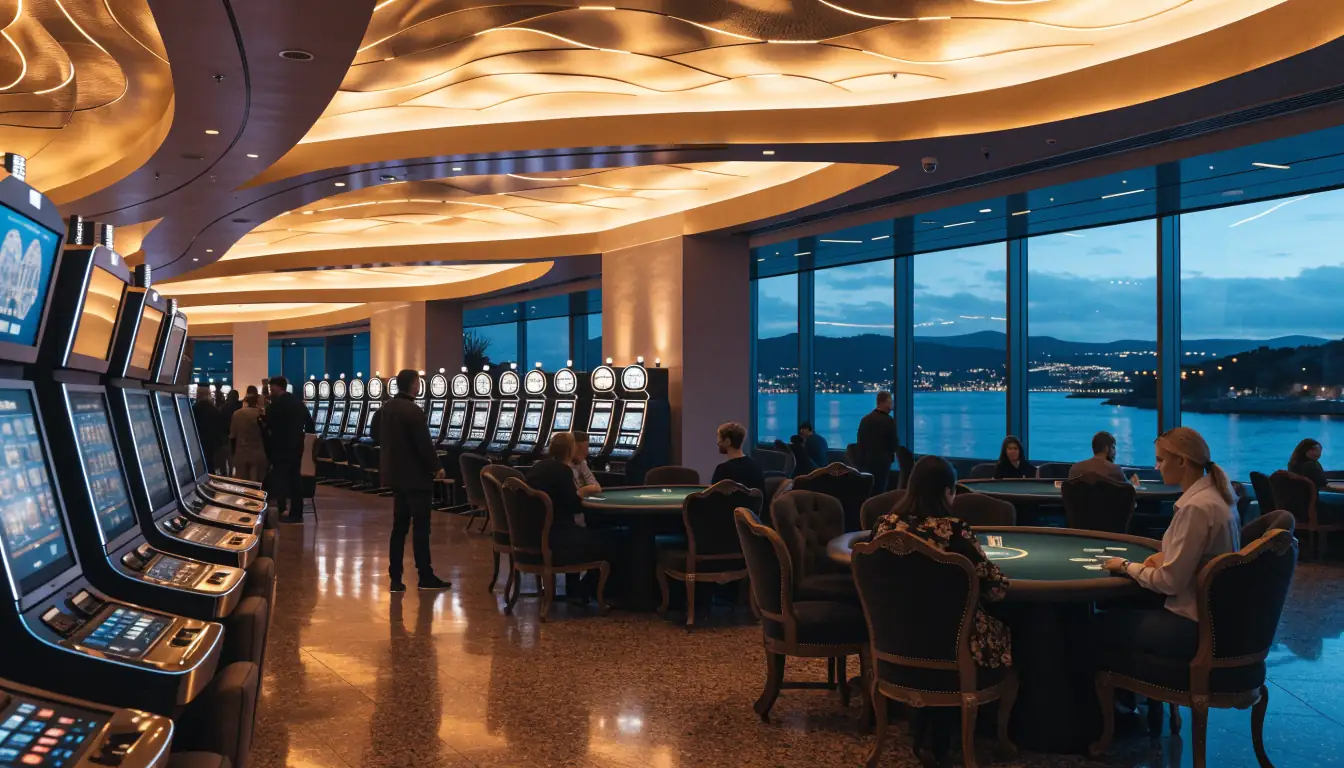
The venue’s rooftop bar overlooks the River Torrens and the redeveloped Adelaide Oval precinct, a location that gives the casino an unusual advantage over suburban pokies clubs. Visitors seeking a restaurant near Adelaide Casino rather than inside it will find the Festival Centre and North Terrace strip within a short walk, but the in-house options remain the default for most gaming patrons. Reservations at the premium restaurant are advisable on weekend evenings, when combined dining-and-gaming packages tend to fill the book.
The regulatory flavour
Every menu inside SkyCity Adelaide sits atop a compliance stack: South Australian liquor licensing, the Consumer and Business Services gambling codes, and the federal Interactive Gambling Act 2001, which prohibits online casino games nationwide. That last statute—sometimes misdated to 1997 in public commentary—shapes how the casino can advertise its restaurants: no promotion of online casino services, and responsible-gambling messaging must accompany any marketing. Diners who come solely for the food are nonetheless walking through a venue fashioned by one of the most heavily taxed and surveilled industries in the country.
The meal is excellent; the paperwork is exhaustive.
Food Courts and Pool Area
The food court at Adelaide Casino operates in that register older Australians may remember as the counter lunch, before the dining hall consolidated its leases into a single brisk circuit. Trays move, vendors change, and the room sustains a turnover calibrated to the intervals of the pokies nearby.
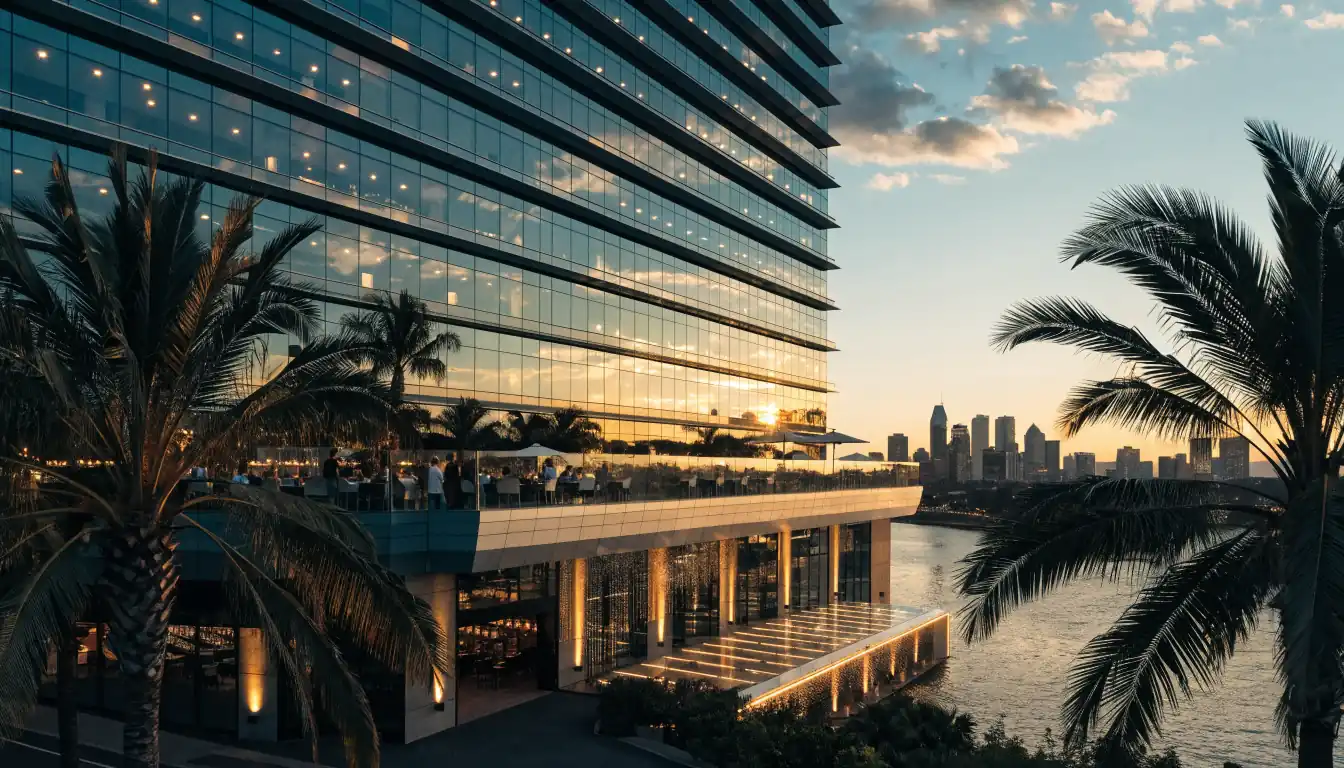
The pool sits outside, open to the sky, occupying a crescent of terrace that appears on few postcards. Club shaped leisure of this sort is a familiar feature of Australian life, and swimming has long counted among the pursuits most encouraged by government. Gambling losses across the country amounted to $31.5 billion in 2022–23, a figure that settles over every amenity of the precinct, the water included.
The arrangement leaves the pool and the counters quietly connected. Between them per-capita bets of AUD 9,885 in FY 2020-2021 distributed themselves, with AUD 1,200 lost per person in that exercise. Quick food by the door, a brief swim, and the whole apparatus kept courteously within reach. The court feeds, the pool cools. It serves.
Are my personal and financial details safe?
Casino rankings explicitly evaluate licensing integrity, and reviewers test cashout mechanisms by depositing at least A$300 to verify that withdrawals process without obstruction.
Is online gambling legal in Australia?
Online sports betting is legal under state or territory licences, but online casino games, poker, and in-play betting are prohibited federally under the Interactive Gambling Act 2001. It is not illegal for individuals to play at offshore-licensed casinos, as the law targets operators, not players.
What is the regulatory scope of Anjouan Gaming?
The provided text does not mention Anjouan Gaming, so its regulatory scope cannot be determined from the given facts.
What is the role of the Australian Ad Observatory in monitoring online gambling ads?
The provided text does not contain information about the Australian Ad Observatory, so its role cannot be described here.