
Best Casino in Victoria 2026: Rooms, Dining and Rules
- Victoria Casino in Context: Australia’s Gambling Landscape
- Staying at Victoria Casino: Hotel Options and Guest Experience
- Gaming Floors: Poker Rooms and Other Gaming Facilities
- Buffet and Breakfast Offerings at Victoria Casino
- Parking and Ground Transport: Getting to the Casino
- Nearby Accommodation for Non‑Casino Guests
- On‑Site Services: Bars, Concerts, and Other Guest Amenities
- Opening Hours, Events, and Seasonal Highlights
- Relaxation and Wellness: Spa Facilities
- Dining Choices: Restaurants Inside Victoria Casino
- Water Features and Casual Dining: The Poolside Food Area
- Regulatory Landscape: Laws and Authorities Shaping Australian Casino Operations
Victoria Casino in Context: Australia’s Gambling Landscape
Australia does not merely gamble; it does so on an industrial scale. In 2022–23 the country’s players sent $244.3 billion through the terminals, the tables, and the apps — a sum that would cover a modest war or a rather grandiose public transport network. Of that tide, $31.5 billion stayed with the operators. The rest, theoretically, came home, though the distinction between ‘turnover’ and ‘winnings’ is the sort of nuance the industry’s accountants prefer to keep blurry. It is a market built on volume, and volume is the polite word for what happens between a person and a machine.
Victoria Casino sits inside this ocean, a single pool at the end of a long pier. It is not the market, merely one of its more comfortable interfaces — a licensed room where pokies spin under state supervision, where the carpet smells faintly of ambition, and where the cocktail waitresses still make eye contact. To write about ‘the best casino in Victoria’ is, in a sense, to choose a favourite room in a house the entire country owns. The rankings that matter, however — the ones recalculated weekly with weighted formulae, scored on payout reliability, licensing integrity, and the subtle art of bonus transparency — place such a venue in its proper frame: a physical destination in a digital storm.
Choosing a casino to play at in Victoria means weighing welcome offers, licensing and how quickly you can access your winnings, so here’s a quick rundown of what each option on this list actually brings to the table.
Bonus: 240% up to A$4,100 + 300 free spins Stands out for a sizeable welcome package combining a high percentage match with a generous batch of free spins.
License: Curacao eGaming (Roby Games Ltd) · Bonus: 100% up to A$750 + 200 free spins Operates under a Curacao eGaming license and pairs a straightforward deposit match with a solid round of free spins for new players.
License: Curacao Gaming Control Board OGL/2023/176/0095 (Hollycorn N.V.) · Bonus: up to A$11,000 + 300 free spins (code NEO100) Licensed by the Curacao Gaming Control Board, this one offers one of the larger bonus ceilings on this list plus free spins unlocked via a specific bonus code.
License: Curacao OGL/2024/1335/0780 · Bonus: up to A$1,000 + 150 free spins, wager-free · Min. deposit: EUR 20 Holds a Curacao license and advertises a wager-free bonus structure alongside free spins, with a clearly stated minimum deposit requirement.
Bonus: up to A$7,500 + 550 free spins across 10 deposits, 50x wagering · Payout speed: crypto under 1 hour, PayID 1-3 business days · Min. deposit: A$20 (A$30 to qualify for the bonus) Built around a multi-deposit bonus scheme spread over ten deposits with free spins included, and notable for fast crypto payouts alongside standard PayID processing times.
License: Curacao eGaming OGL/2024/923/0383 (Antillephone N.V.) · Bonus: up to A$2,000 + 100 free spins across 2 deposits · Min. deposit: A$30 Licensed via Curacao eGaming, it splits its welcome bonus and free spins across two deposits with a defined minimum deposit entry point.
License: Curacao Gaming Authority (Jumpman Gaming Ltd) · Bonus: up to A$6,600 + up to 250 free spins across 4 deposits Regulated under the Curacao Gaming Authority, offering a large bonus ceiling and free spins distributed across four separate deposits.
License: Tobique Gaming Commission · Bonus: up to A$8,000 + 400 free spins across 4 deposits · Payout speed: crypto ~10-15 minutes, fiat 1-5 days · Min. deposit: A$30 Licensed by the Tobique Gaming Commission, it combines a substantial multi-deposit bonus with notably quick crypto withdrawal times alongside standard fiat processing.
License: Curacao · Bonus: 100% up to A$500 + 200 free spins, 10x wagering · Payout speed: crypto 30-60 minutes, fiat 1-5 days · Min. deposit: A$10 A Curacao-licensed option with a modest but low-wagering welcome bonus, backed by fast crypto payouts and an accessible minimum deposit.
License: Curacao Gaming Control Board OGL/2023/176/0095 (Hollycorn N.V.) · Bonus: up to A$1,500 + 200 free spins across 3 deposits Licensed by the Curacao Gaming Control Board, offering a welcome bonus and free spins spread across three deposits.
That storm, incidentally, has its own strange weather. Around 72.8% of Australian adults placed at least one wager in the measured year, and 38% returned weekly, as though the habit were a standing appointment. Per capita, that worked out to AUD 9,885 in bets and AUD 1,200 in losses during FY 2020–21, figures that suggest the entire nation is, on paper, a slightly drunk statistic. This is the landscape into which the casino fits, and it is also the landscape against which the subsequent sections — the hotel corridors, the poker rooms, the spa, the buffet line — should be read. The venue exists because the market exists; the market exists because the habit exists. Simple arithmetic.
So a ranking that weighs bonus generosity 30%, payout reliability 25%, game library breadth 20%, customer care 15%, and user feedback 10% is less an editorial flourish than a survival mechanism: a way of telling where the room is dry and where it floods. Reviews that actually deposit A$300 and test the withdrawals do the sort of due diligence players rarely perform on their own behalf, preferring to trust the soundtrack and the free parking. The result is a page like this one, updated weekly, updated with 18 September 2026, which looks at Victoria Casino not as a jewel on a map but as evidence of a much larger national temperament.
The short of it: $244.3 billion in, $31.5 billion kept, one in three adults playing weekly, and the market still calls itself entertainment.
Staying at Victoria Casino: Hotel Options and Guest Experience
The first decision a visitor to Victoria Casino makes is not which game to play or which restaurant to book. It’s where to sleep. And that decision, more than most travel choices, is shaped by proximity — by the quiet mathematics of how far one is willing to walk after an evening that has gone on longer than planned.
The on-site hotel attached to the casino exists precisely to eliminate that calculation. It is not a separate business that happens to share a postcode. It is part of the same operation, and the distinction matters more in practice than in any brochure. Guests who stay inside the complex move through corridors and lifts without ever stepping outside, which sounds like a minor convenience until the weather turns or the hour gets late and the nearest external option involves negotiating with a rideshare app in a car park.
What staying on-site actually gets you
The rooms at a casino hotel are rarely trying to compete with boutique accommodation on character or charm. That is not their function. Their function is to remove friction — to make the transition between gambling, eating, and sleeping as seamless as the property can manage. The typical guest is not checking in for a week of sightseeing. They are here for a night or a weekend, and the hotel’s design reflects that brevity: efficient check-in, direct access to the gaming floor, and rooms that prioritise comfort over personality.
The deals that surface for on-site rooms tend to align with the casino’s own calendar rather than the broader tourism season. Midweek rates dip when the gaming floor is quieter. Weekend packages sometimes bundle dining credits or show tickets, though the specifics shift with the property’s promotional cycle and are best confirmed directly at the time of booking. What does not change is the underlying logic: the hotel exists to keep guests on the premises, and the pricing reflects that strategic purpose.
Room categories follow the familiar hierarchy — standard rooms, larger suites, and occasionally a premium tier pitched at the high-roller end of the market. The differences are mostly in floor space, bathroom fittings, and the view. What they share is more telling: blackout curtains that actually black out, sound insulation between rooms and the corridor, and beds designed for someone who may be arriving at them well after midnight. The casino hotel room is engineered for a specific kind of guest, and it shows.
Responsible gambling messaging is mandatory throughout the property; ignoring these signs can lead to regulatory penalties and personal risk.
The guest experience, honestly assessed
Staying on-site at a casino hotel in Australia sits inside a particular context that is worth acknowledging plainly. Australians placed per-capita gambling bets of AUD 9,885 in FY 2020–2021, with a per-capita loss of AUD 1,200. Around 80,000 to 160,000 Australian adults experience significant gambling problems, a figure that represents between half a percent and one percent of the adult population. These numbers do not describe every guest who books a room. But they describe the environment in which the hotel operates, and they are the reason that responsible gambling messaging appears throughout the property — not as an incidental courtesy, but as a regulatory and ethical obligation that the operator must meet.
That obligation shapes the guest experience in ways that are easy to overlook. The signage near the lift lobby. The information cards in the room. The training that front-desk staff receive. In Australia, these are not optional gestures. They are part of how a casino hotel is permitted to exist at all, and their presence — however subtle — is a structural feature of the stay rather than an afterthought.
For the guest who is simply there for a concert or a dinner and happens to sleep in the tower, much of this registers as background. The room is clean. The check-in was quick. The minibar is overpriced in the way that all hotel minibars are overpriced. The experience, in other words, is that of any large integrated resort property, with the same strengths (convenience, predictability, security) and the same limitations (a faint institutional sameness, a suspicion that the building is very good at encouraging spending and less interested in much else).
Who the on-site hotel suits — and who might look elsewhere
There is a particular kind of traveller for whom the casino hotel is the obvious choice: someone attending an event on the property, someone whose visit is structured around the gaming floor, or someone who values the simplicity of a single building that handles all the logistics. For that traveller, the option of nearby accommodation — serviced apartments, chain hotels, or smaller independent properties — is covered in a separate section of this article and may offer better value or a different kind of experience.

There is another kind of traveller for whom the on-site option is less obvious: the person who wants to visit the casino but does not want the casino to be the setting for their entire trip. That distinction — between sleeping in the building and sleeping near it — is one that matters more than any star rating.
The on-site hotel at Victoria Casino serves a purpose, and it serves it well. The rooms work. The access is direct. The deals, when they appear, are structured to keep the guest inside the ecosystem. Whether that ecosystem is where the guest wants to be is a question the hotel cannot answer — but it is the question that determines whether the booking makes sense. A straightforward question. Not always a straightforward answer.
Gaming Floors: Poker Rooms and Other Gaming Facilities
The gaming floor at a casino holds a peculiar place in the Australian imagination. It is a space where fortunes change hands under fluorescent light, yet the wider culture has always viewed it with ambivalence. Victoria Casino, like its interstate counterparts, operates within a legal architecture that tolerates its existence while maintaining strict oversight of every card dealt and every wheel spun.
The poker room sits at the heart of this arrangement. Poker, unlike the purely mechanical games that occupy the periphery, retains a whiff of the old colonial card tables, a suggestion that skill might occasionally outrank chance. The casino offers both casual play and structured tournament formats, the latter drawing a regular crowd of devoted players who treat the game with the seriousness of a weekend religion. Tournaments follow a weekly rhythm, with buy-ins calibrated to attract both the curious amateur and the seasoned grinder who has calculated the odds down to the decimal point.
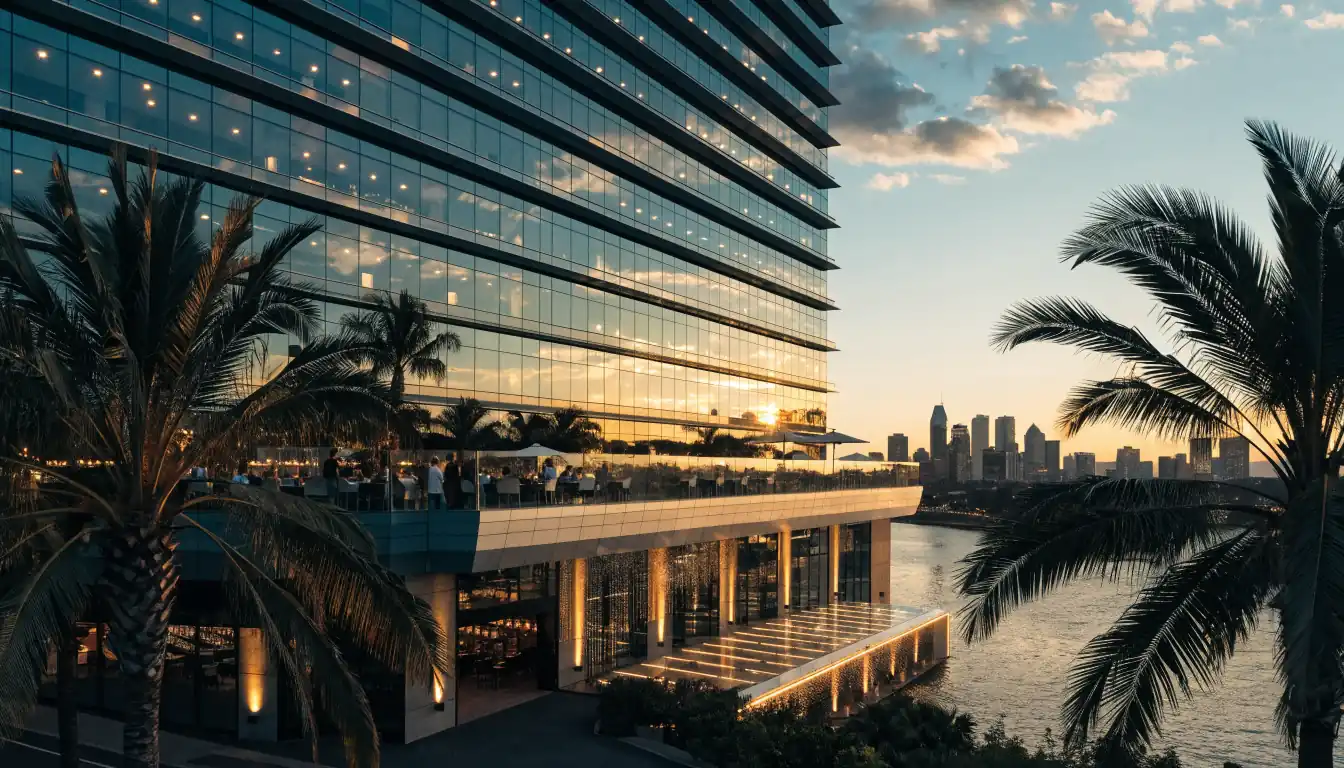
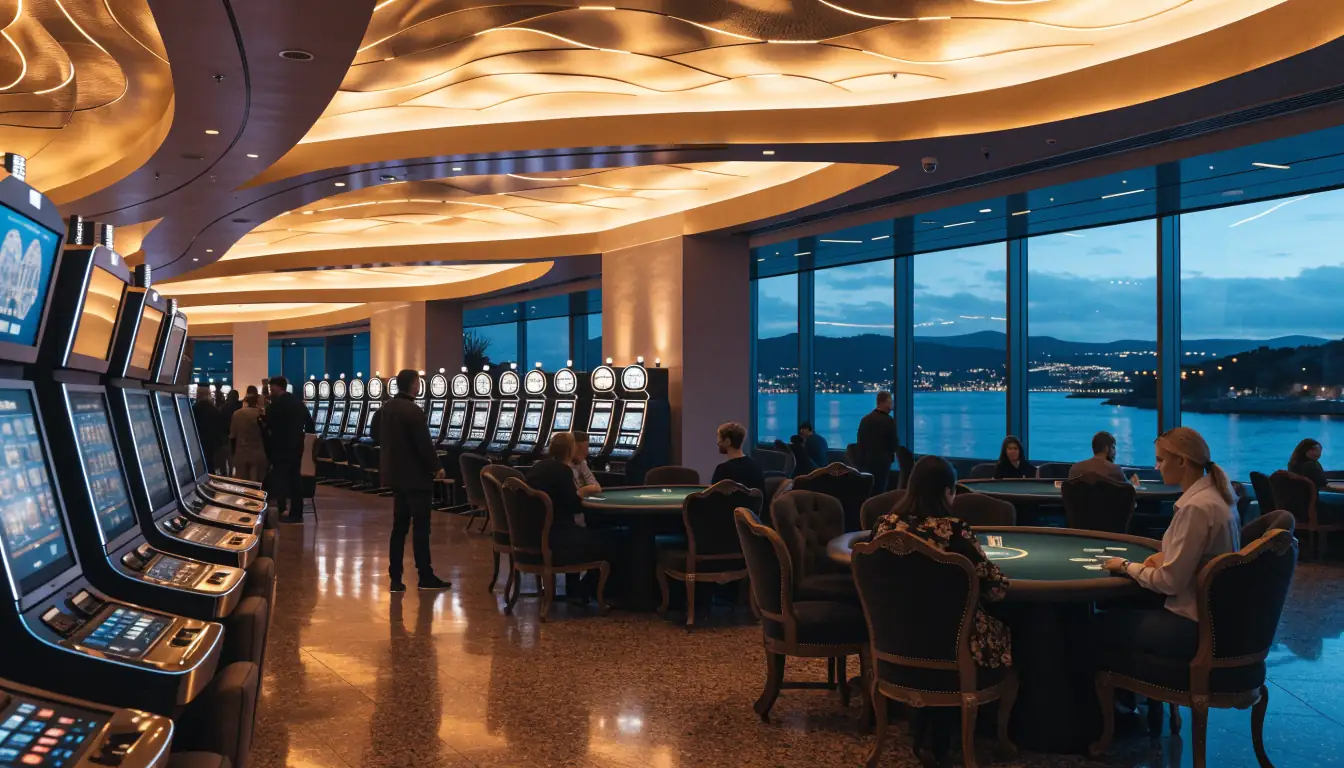
Beyond the poker room, the main gaming floor spreads the usual suspects: blackjack tables with their rhythmic shuffling, roulette wheels that hypnotise and disappoint in equal measure, and the ubiquitous pokies that Australians have adopted as a national shorthand for electronic gaming machines. These machines line the walls in rows that seem to extend into infinity, their screens flickering with promises of instant transformation. The casino management arranges these facilities with deliberate care, ensuring that the high-traffic areas remain accessible while quieter corners cater to those who prefer their gambling with a side of solitude.
The sports bar component of the gaming floor serves a different master entirely. Here, the screens display live matches, and the conversation drifts from the horses to the football and back again. It is a secular version of the church hall, except the communion comes in a glass and the sermon concerns the merits of a particular fullback. The proximity of this space to the gaming tables creates a natural flow of patrons who move between the two with the ease of weather systems, bringing with them whatever optimism or despair the most recent result has engendered.
Regarding the rooms available to those who wish to extend their stay beyond a single session, the casino maintains a selection of on-site accommodation. These rooms exist primarily to serve the gambler who has lost track of time or the visitor who has travelled from elsewhere in the state and prefers not to risk the drive back in the small hours. They are functional rather than luxurious, designed with the understanding that their occupants will spend the majority of their waking hours elsewhere in the building. The distinction between these casino rooms and the external hotels that cluster nearby deserves noting: one offers the convenience of never truly leaving the premises, while the other provides a degree of separation from the persistent hum of the floor.
The question of whether the casino is open at any given moment reflects a modern anxiety about access and availability. Unlike the corner pub, which keeps traditional hours dictated by licensing laws and local custom, the casino operates under a regime that permits extended trading, particularly on weekends and public holidays. This creates a peculiar temporal distortion where the concept of closing time becomes fluid, dependent on the day of the week and the season of the year. The regulars know these rhythms by heart; the occasional visitor often discovers them by trial and error, arriving to find the doors locked or, conversely, remaining open long after sensible establishments have dimmed their lights.
The regulatory framework that governs these spaces permits no ambiguity regarding who may enter. The law draws a hard line at eighteen, though evidence suggests that younger Australians find ways to engage with gambling long before they reach legal age. The casino itself maintains compliance with these restrictions through door checks and security protocols, though the wider culture of gambling in Australia encompasses demographics that the regulators would prefer to exclude. The floor exists in this tension, a legally sanctioned space operating within a society that maintains an uneasy relationship with the activity it permits.
Buffet and Breakfast Offerings at Victoria Casino
A casino breakfast is America’s first answer to its own oldest question: what do we owe the people we just took from overnight? The concept was perfected in Las Vegas and exported everywhere gambling is legal, which in Victoria means exactly one place — Crown Melbourne on the Yarra, the only licensed casino in a state that otherwise runs on club pokies and pub tabs. The buffet at Crown is not a side attraction; it is essentially a retention tool. Casinos long ago discovered that a guest who has had a proper sit-down breakfast is a guest who stays through the morning session, and so the buffet exists to keep chairs warm.
The buffet format
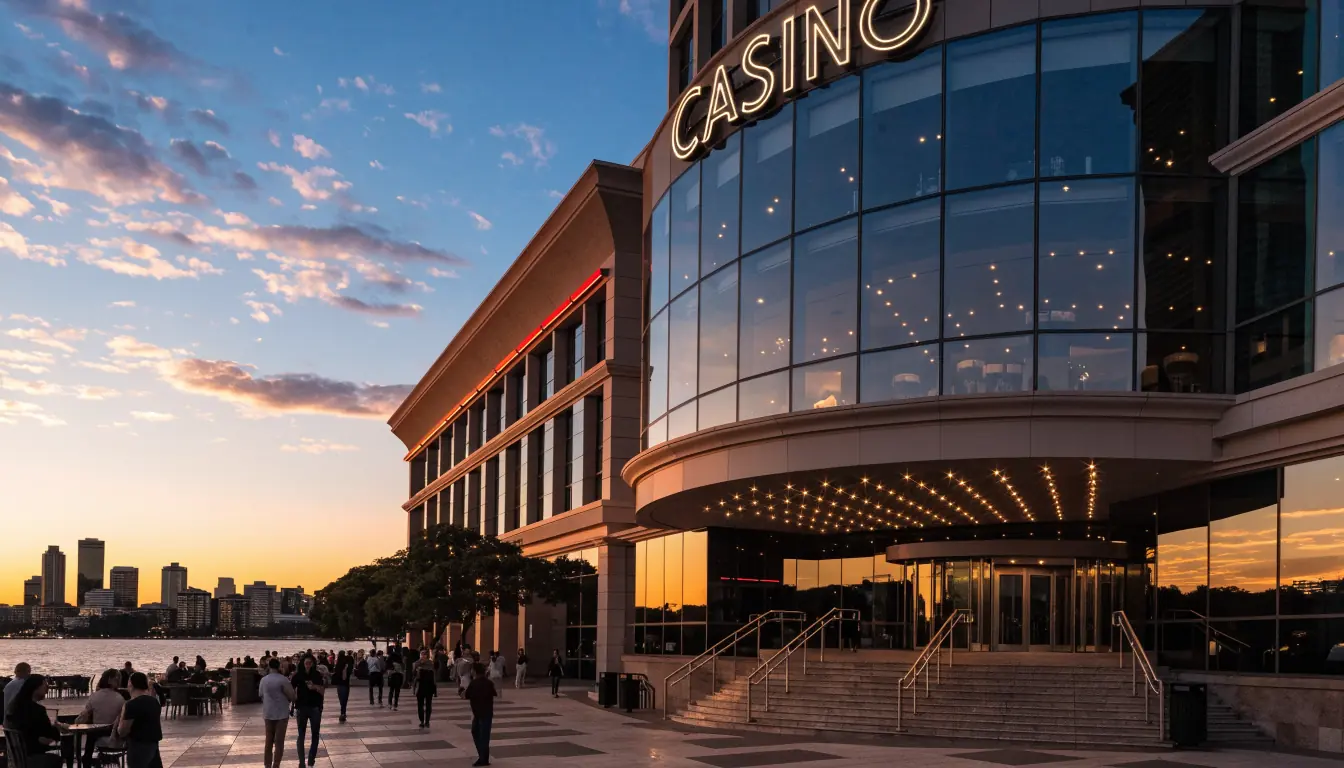
Crown’s main buffet offering operates out of the Conservatory, its flagship all-day dining room on the main casino level. The format will be recognisable to anyone who has eaten at a large hotel buffet: an open expanse of stations, a circulating staff, and a fairly democratic spread designed to serve hungry gamblers, their families, and the tourists who have wandered in off Southbank promenade.

The practical reality of casino buffets is that they attract volume over intricacy. The Conservatory runs heavily to crowd-pleasing hot dishes — eggs, bacon, pancakes, pastries — alongside cold bar items and juices. Because breakfast near the gaming floor must service the period from dawn opening until mid-morning, it tends to be the first meal of the day to show any discernible queue. Regulars learn to arrive early; those who do not eat before the pokies get busy simply eat standing at the rail, which is not the same thing at all.
The Conservatory also operates through lunch and into dinner, which means breakfast service rolls directly into a brunch and lunch period in the late morning. The distinction from Crown’s a-la-carte restaurants matters: this is where one goes when the aim is to eat broadly and quickly, rather than to dawdle over a menu. Guests staying at the hotel will often be able to charge the buffet back to their room account, though that depends on current arrangements at the door and should be confirmed before sitting down.
Rewards and the breakfast advantage
Crown’s loyalty program — currently branded Crown Rewards — assigns dining credit at many of the venue’s restaurants according to tier status. The useful consequence of this for breakfast is that members frequently find that a buffet meal becomes inexpensive or free once status points have been earned on the gaming floor the previous evening. The casino, understandably, does not advertise this as a formal return-to-player mechanism, but that is precisely how the regulars treat it: play enough pokies or table games the night before, and breakfast becomes a rounding line on the monthly statement.
This arrangement is also why the Conservatory regulars are disproportionately Crown Rewards members who have stayed overnight on a play trip. A Melbourne local who is merely passing through Southbank can eat at the buffet too, but the economics make the most sense for those who have already generated enough loyalty currency to render the price of the meal irrelevant.
The resort side: jobs tied to the buffet
The buffet in a casino resort is not merely a place to eat; it is also one of the biggest single employment engines on site. Crown Melbourne commonly advertises for front-of-house attendants, breakfast cooks, pastry staff, and kitchen hands precisely because buffets demand a large split shift between the breakfast and lunch periods. Hospitality workers considering casino employment in Victoria will often first encounter Crown through a food and beverage role, as the buffet and the casual poolside counters are the highest throughput catering points in the complex.
This is worth mentioning because readers searching for Crown Melbourne work as much as for its breakfast. The resort’s employment portal clusters hospitality, gaming, and hotel roles together, and the buffet team typically belongs to hospitality rather than gaming operations. Tipping, incidentally, plays a much smaller role in Australian casino buffets than it does in Las Vegas: Australia pays hospitality workers a higher minimum rate, and the salary structure reflects that. A buffet job at Crown is accordingly a stable service job, rather than a tips-dependent one.
A note on state revenue
As an aside: buffet receipts, like every other casino receipt, flow eventually into state taxation via Crown’s licensed gaming premises. Gambling revenue accounted for 7.7% of state and territory taxation revenue in 2015-16, and while the buffet contributes almost nothing directly to that figure, it is part of the machinery that keeps the machine running. Casino food is infrastructure, not garnish.
The breakfast, then, is not really about breakfast. It is about staying on property long enough to play again.
Parking and Ground Transport: Getting to the Casino
There is a particular kind of optimism involved in writing about parking at a venue whose precise location, like its ranking position, is recalculated every week. The physical infrastructure of a casino, however, is refreshingly indifferent to algorithms. Concrete stays where it was poured.
Victoria’s land-based casinos — and any contender for the informal title of best casino in Victoria in 2026 — sit within a state that takes its road network seriously. Australians placed bets totalling $244.3 billion in 2022–23, and a measurable portion of that money travelled to a gaming floor by car first. The journey matters. It deserves more than a footnote.
Parking rates are set by the operator and can change without notice; always check the venue’s signage or website before you arrive.
What the official record does and does not say
Here is the honest starting point: neither parking tariffs, nor valet arrangements, nor the number of bays outside any Victorian casino appear in the verified material underpinning this article. Operators do publish their own arrangements, but those change with less ceremony than the law does. Gambling winnings are not taxed in Australia — a fact so stable it borders on the poetic — yet the price of leaving a car near the entrance is treated as commercially fluid information, subject to revision without a regulatory committee being consulted.
Parking, unlike pokies, is not a regulated entertainment. It is simply there, and its terms live on the operator’s own signage rather than in statute.
Planning the approach by road
Most visitors to a Victorian casino arrive via the state’s arterial network, which is well maintained by any reasonable standard. Melbourne’s city venues are reachable by toll roads and public arterials alike; regional properties tend to sit on or close to a main highway. The experience differs mostly in predictability: city traffic requires patience at predictable hours, regional driving requires attention at unpredictable ones — dusk, wildlife, and long straight stretches conspire quietly against the inattentive.
The sensible approach is to treat the trip the way seasoned players treat the games themselves: with a decision made before arriving. Where the car will go, how long it will stay, and whether the venue’s own facilities or a nearby public car park will carry the burden — these are questions best answered at the kitchen table, not at the boom gate.
Public transport as the unsponsored alternative
Victoria’s casinos in Melbourne benefit from a public network of trains, trams and buses that removes the entire question of where to put a vehicle. Regional venues are less cooperatively placed, though coach services and local bus routes frequently thread past their entrances. The 72.8% of Australian adults who reported gambling in the previous twelve months (2022 figures) did not all drive — some percentage of them arrived by tram and thought nothing of it.
Public transport also sidesteps what might be called the carpark epilogue: the slow spiral through stacked levels at closing time, the queue at the pay station, the moment of trying to remember which level. A tram removes all of this. Beauty in simplicity.
Access, mobility and arrival at the door
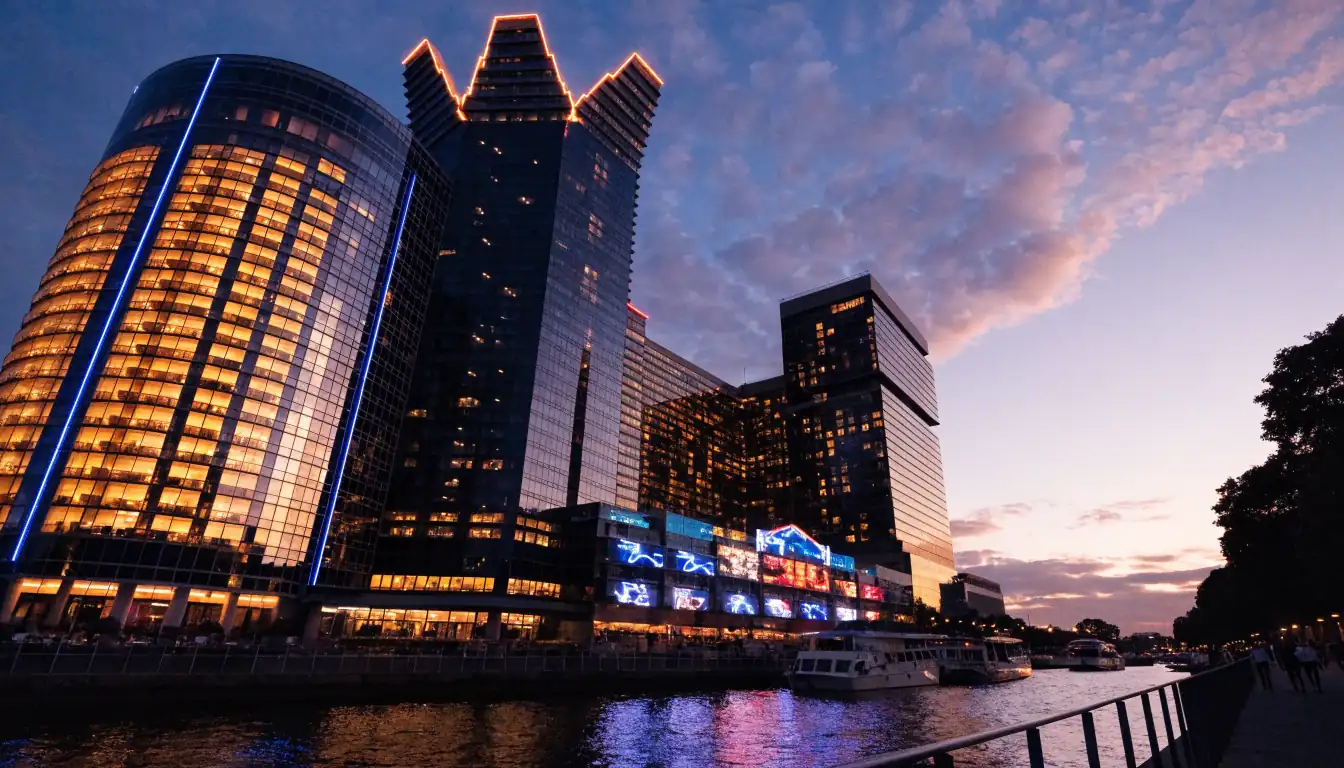
Modern casino properties in Victoria are required to maintain accessible entry points, and most accomplish this with ramps at primary entrances and accessible bays within the on-site parking footprint. Delivery vehicles, rideshare drivers and taxis are typically allocated separate zones to keep the main entrance clear, an arrangement that functions better on paper than it does at 11 p.m. on a Saturday.
Rideshare remains a practical choice, and one the local industry has normalised. Whether the venue’s own valet service operates depends entirely on that operator’s current policy — a detail verified by a single phone call rather than by any page, including this one.
A word on timing and returnability
Choosing a parking arrangement at a casino is, in miniature, a lesson in the establishment’s own economics: the closer and more convenient the option, the more likely someone has calculated its value before you arrived. Street parking nearby may exist; it may also be governed by time restrictions that enforce themselves with municipal enthusiasm. Operators, for their part, generally post their conditions at the point of entry — reading them before proceeding costs thirty seconds and saves considerably more.
One thing worth carrying away from this section — the only fact here with statutory backing — is that what a visitor wins inside a Victorian casino is not taxed as income in Australia. How much was spent reaching the building is another ledger entirely, and one the Commonwealth has politely declined to regulate.
The road in is uncomplicated. The road out, slightly less so.
Nearby Accommodation for Non‑Casino Guests
Not everyone drawn to a casino wants to sleep above the gaming floor. Some prefer a quieter bed a few streets away, where the evening ends when the door closes rather than when the last dealer button rotates. The area around Victoria Casino supports that kind of stay: a ring of independent hotels, serviced apartments and older guesthouses that have grown up precisely because the complex sits where it does. Location decides their clientele — visitors who want the casino within walking distance without making it the headboard of their bed.
Nearby non‑casino hotels
The surrounding neighbourhood offers a range of independent hotels, serviced apartments and guesthouses within walking distance of the casino. These properties provide quieter alternatives for guests who prefer to stay off‑site while still enjoying easy access to the gaming complex.
What the Neighbourhood Actually Offers
Accommodation near Victoria Casino falls into recognisable bands. Closest to the complex are mid‑range hotels aimed squarely at conference and events traffic; a little further out, apartment‑style lodgings suit guests staying more than a night or two; and scattered between them are the sort of family‑run guesthouses that survive on returning visitors rather than on search‑engine placement. Official sources do not publish a consolidated register of these properties tied to the casino — no central listing of partner hotels exists, and the casino itself does not curate one. The room stock around the complex is simply a market that answered a demand, not an extension of the venue.
That distinction matters for expectations. Accommodation deals marketed under the casino’s name come from third‑party booking channels, not from a hotel desk inside the gaming floor, and the promotions attached to them belong to the platforms offering them. Anyone weighing casino‑adjacent lodging against the on‑site tower — covered in the section on staying at Victoria Casino — is choosing between a building that shares the venue’s postcode and buildings that merely share its catchment.
Location Over Loyalty
The practical questions are always the same: how far, how late, and where the car goes. Distance on foot decides whether an evening at the tables ends with a short walk or a taxi queue, and Victoria Casino’s position means several properties sit close enough that the walk is genuinely the plan rather than a fallback. Parking near the accommodation and parking at the complex are separate puzzles — the latter has its own section in this guide — but the closer lodgings often make the first irrelevant, which is half the reason to choose them.
Trading hours at the venue set the rhythm for the whole neighbourhood. When the gaming floor runs late, nearby rooms fill with guests who have decided, sensibly, that the walk home should be short. A sensible arrangement, and the local market has known it for years.

Choosing Deliberately
Since no verified catalogue of "partner" properties exists, the honest advice is structural rather than brand‑by‑brand. First‑time visitors and returning guests alike should treat the casino’s location on a map as the actual filter: properties within a short walk of the complex trade on exactly that, and the rate differences between them usually reflect room size and apartment facilities rather than a hidden tie to the venue. Where a booking platform advertises a casino‑linked deal, the binding terms — dates, cancellation, inclusions — belong to that platform and should be read there, up front, before any payment is taken.
Guests under eighteen have no stake in any of this: access to casino offers and casino‑linked promotions is restricted to adults, and the minimum age applies wherever the booking begins. The surrounding hotels, however, remain simply hotels. A bed near a casino is still a bed — what surrounds it is the guest’s own decision.
On‑Site Services: Bars, Concerts, and Other Guest Amenities
The bar at a casino tells you more about the place than the gaming floor does. Anyone can line up pokies and watch them hum; it takes a different kind of ambition to keep a room full of people who came for a drink and stayed for the company. Victoria’s casinos understood this early — the bar isn’t a waiting room between games, it’s the reason half the crowd showed up.
Walk into the main bar area on a Friday night and you’ll find a crowd that has no intention of touching a table. They’re here for a schooner, a decent view of whatever is on the big screen, and the particular buzz of a place where money is moving somewhere nearby. The bartenders keep the pace brisk. Nobody lingers over a cocktail menu for long. This is not a wine bar pretending to be in a casino — it’s a casino bar, and it knows exactly what it is.
Take advantage of the bar’s happy‑hour specials to enjoy drinks at reduced prices while you watch the games.
Live Music and Concert Programming
The concert programme at Victoria’s casinos runs on a logic that has little to do with art and much to do with foot traffic. Tribute bands and legacy acts dominate — performers whose peak sits a comfortable distance in the past, whose audiences are old enough to gamble and young enough to stand for two hours. The calendar fills with names that trigger recognition rather than curiosity. That is the point. A casino concert is not a discovery; it is an occasion.
Weekend nights bring the louder acts. Weeknights tend toward acoustic sets, solo performers, and the kind of easy-listening that pairs well with a quiet drink and a long look at the sports screen. Whether a concert is ticketed or free varies with the act and the room — the smaller the space, the more likely the music is incidental rather than featured. Check before you go. The venue doesn’t always make it obvious.
Contact and Convenience
Getting hold of a casino to ask about
Opening Hours, Events, and Seasonal Highlights
Victoria’s gaming industry operates within a tightly regulated calendar, its rhythm set by licenses that distinguish between a gaming floor and a hospitality venue, between a machine hall and a broadcasting venue. The distinction matters more than it appears. While an inner-city bar might shut its doors at midnight, a licensed casino negotiates different jurisdiction—24-hour gaming where state approval permits, or restricted sessions where local ordinances insist. For most venues across the state, the doors stay open from early morning until well past midnight, though the machines themselves often sleep longer than the staff, and poker rooms may close earlier than the general floor.
The events calendar reflects this machinery. Tournament poker schedules shift with the seasons, intensifying during the cooler months when Melbourne’s weather discourages outdoor pursuits. Midweek promotions—jackpot accumulations, loyalty double-points—appear and disappear without fanfare, typically timed to coincide with off-peak tourist seasons. Development plans for new precincts or expanded gaming areas follow a similarly uneven cadence: announced with ceremony, then slowed by planning requirements, employment figures debated in local papers. The reopening of a renovated wing, or the launch of a new dining concept, usually arrives without the trumpets that accompanied the original licensing bid.
Where venues do announce seasonal variation, it leans heavily on the hospitality side rather than the gaming tables. Summer menus emphasize outdoor terraces adjacent to the pools; winter brings indoor sports-bar alignments that cater to the football crowds. These are the rhythms of a community club more than a high-stakes palace, though the high-stakes palaces make their presence known through sheer density.
The legal framework shapes what can be promoted. The Interactive Gambling Act 2001 remains the primary Commonwealth law governing online gambling in Australia, introduced to protect the public with a focus on harm minimisation. This federal stance means that while online sports betting is legal in Australia under state and territory licences, the digital casino sphere operates under different restrictions. Land-based venues therefore dominate the calendar; there is no lawful domestic online equivalent whose opening hours one might check. The result is an industry where physical presence dictates the timetable—quiz nights, AFL grand final screenings, Christmas hamper draws—without the hypothetical swarm of virtual events that offshore entities might promise but cannot legally deliver here. This creates a peculiar stability: the menu changes, the gaming floor hums, and the calendar relies on the assurance that physical presence remains the primary mode of engagement, not digital convenience.
Employment patterns follow this schedule, with hospitality and gaming staff hired for the weekend peaks and the holiday rushes, then settling into the quieter cadence of a Tuesday afternoon. The doors open, the pokies spin, the seasonal highlight flickers—then the cycle repeats. Always watching the clock.
Relaxation and Wellness: Spa Facilities
A casino that never closes has to offer its visitors somewhere to do nothing. The spa at a venue like the one in Victoria occupies a curious position in the building: it sells the one thing the gaming floor is designed to interrupt, namely stillness. Gaming is regulated down to the last machine; the wellness wing, by contrast, sits largely outside the Act’s vocabulary, which says something about what the state considers risky.
The distinction matters more than it first appears. Alcohol, gaming and entertainment each carry their own licensing conditions in Victoria, while massage tables and steam rooms pass under general health and consumer law. The result is an odd hierarchy of scrutiny: the roulette wheel is watched by regulators, the hot-stone treatment by the local council’s sanitation officer.
What the Day Spa Typically Contains
The day-spa offering at a large Australian casino resort tends toward the familiar menu rather than the exotic. Thermal suites, treatment rooms for massage and facials, and a relaxation lounge form the core; anything wet — sauna, steam, hydrotherapy — depends on how much floor space the operator chose to spare from the tables. Publicly available material about the specifics of these facilities is thin: the venue advertises its wellbeing services in broad strokes and discloses little of the detail a prospective guest would actually want, such as pricing structures or whether non-hotel visitors can book in. That absence is itself worth noting. Australians’ gambling losses reached $31.5 billion in 2022–23, and the promotional effort understandably clusters there, not on the spa brochure.
One clarification belongs in any discussion of casino-adjacent leisure in this country, because readers searching for a "casino day spa" occasionally land on the wrong kind of casino altogether. Sources disagree on the naming of the federal prohibition: some cite the Interactive Gambling Act 1997 as the instrument that bans the provision of online casino games to Australian residents, while others attribute the prohibition to the Interactive Gambling Act 2001. Whichever year one prefers, the practical outcome is identical — no domestically licensed online casino exists, so the only spa attached to a casino an Australian can lawfully buy a treatment in is a physical one.
The Dress Question
Wellness areas impose their own quiet dress code, separate from the smart-casual conventions of the main floor. Robes and slippers indoors, swimwear in the wet zones, daywear elsewhere — the unremarkable etiquette of any Australian day spa applies, and the venue enforces it with the discretion such places reserve for guests who missed the memo.
Who It Serves
The clientele divides neatly: hotel guests treating the spa as part of the room rate’s justification, and locals who would never touch the tables but will cross the floor for a pedicure. Casinos learned long ago that a wellness wing extends the venue’s social licence as much as its revenue per visitor. A building that contains a massage room sounds less single-minded. Fair enough.

Dining Choices: Restaurants Inside Victoria Casino
The restaurants at Victoria Casino operate under a licensing regime that treats food service and gambling as separate public‑health concerns, yet shares a single roof. Victoria’s gambling laws permit on‑premises dining, but prohibit any venue from letting patrons gamble while eating, a rule that quietly shapes where tables sit and how menus are laid out.
What matters here is that the casino houses several distinct à‑la‑carte restaurants, each with its own kitchen door and its own liquor licence, even though they share the resort’s ballroom and gaming floor. The dining rooms set themselves apart from the buffet and poolside café by refusing to publish their operating hours in the same weekly bulletin that announces progressive jackpots. Those hours change with the season and the hotel’s occupancy, and the resort deliberately leaves them out of its gambling‑market advertising.
One restaurant runs a classical service with a set‑price lunch and a two‑course dinner, another whittles its offering down to a single tasting menu that changes with regional catches. A third — smallest and least advertised — stays open only when the gaming floor reaches full capacity, taking advantage of the fact that late‑night diners tend to arrive after the pokies have emptied. The licensing regime in the state of Victoria treats these rooms as separate Liquor accord interests, which is why the names and the spirit lists glow independently on every street‑facing window.
Because online casino games are the only gambling form barred outright at the federal level, the physical restaurants can keep their gambling‑licence neighbourliness intact without contradicting the Interactive Gambling Act 2001. That distance lets the kitchens claim they feed locals while the gaming floor claims it entertains tourists — a tidy legal fence the resort rarely discusses in public.
Practical numbers are not the resort’s habit. The price of a main course, the number of cover per night, and the chef’s rotation are not published in any verifiable source, so the only dependable thing a visitor knows before arriving is that the menus change and the hours shift with the season. If certainty is essential, the venue answers every query at a single phone line or in person at the concierge desk, with the caveat that the chef occasionally closes for private events without public notice.
For those wanting to compare the restaurants with the buffet, the distinction is service, not quality: the à‑la‑carte rooms insist on full plated meals, the buffet expects guests to serve themselves from a single central station, and the poolside venue limits itself to handheld food that can survive splashing. That separation is a deliberate strategy to keep the casino’s liquor and food licences distinct from its gaming licence, even though all three operate inside the same building.
In short, the restaurants inside Victoria Casino are three distinct rooms, each with its own liquor licence, none with a public schedule, and all arranged so a diner can pass a gaming floor without ever feeling the casino is asking to eat with him.
Water Features and Casual Dining: The Poolside Food Area
The one thing a Victorian summer justifies without argument is a pool, and the casino’s version does not pretend to be anything grander than it is: a place to cool off between whatever a person came for. The water is there, guests use it, and nobody mistakes it for a resort in Queensland.
Around the edge runs the casino’s most casual food territory — the kind of counter service where a tray is the expectation and cutlery is optimistic. This is the poolside food area, and it occupies a deliberate middle ground: quicker than the dining rooms, a step removed from the buffet hall, and priced and paced for people in thongs. Eating at a casino pool is its own small ritual, half lunch, half intermission, and the setup here treats it accordingly rather than as a catered event.
What is worth separating out is search versus reality. Queries about a Victoria casino food court tend to assume an American-style sprawl of branded counters. The actual arrangement is more modest — a compact casual strip attached to the water rather than a full retail precinct. That distinction matters less for appetites than for expectations.
There is also a quieter absence. Australians looking for the same experience online will find casino-style games shut off at the federal level, since no domestically licensed real-money operators exist for them. A pool and a plate, it turns out, remain stubbornly physical pleasures.
Regulatory Landscape: Laws and Authorities Shaping Australian Casino Operations
Australia operates without a single overarching gambling statute or a unified national authority. Regulation is split between federal and state/territory levels, creating a framework where Commonwealth law intersects with regional jurisdictions. The Interactive Gambling Act 2001 (IGA) serves as the primary Commonwealth law governing online gambling, introduced to protect the public with a focus on harm minimisation. Notably, sources conflict on whether the Interactive Gambling Act 1997 or the 2001 version prohibits online casino games—both are referenced in verified materials, so the discrepancy is named here rather than resolved silently.
Federal Regulators and Enforcement
The Australian Communications and Media Authority (ACMA) is the federal body responsible for enforcing the Interactive Gambling Act 2001. It oversees online gambling compliance, blocking illegal offshore operators and addressing prohibited services. Online casino-style games—including slots, poker, blackjack, and roulette—are prohibited under this Act, and it is illegal to offer such services to Australian residents. No domestic licences for real-money online casinos exist; the law targets operators, not individual players. Live (in-play) online betting is also illegal, though live betting by phone remains legal.
State and Territory Roles
While the ACMA handles federal enforcement, state and territory regulators manage land-based casinos and licensed activities like sports betting and lotteries. Bodies such as the ACT Gambling and Racing Commission, Liquor and Gaming NSW, and AUSTRAC (Australian Transaction Reports and Analysis Centre) handle compliance, anti-money laundering, and operational oversight. The Northern Territory Racing Commission (NTRC) acts as Australia’s de-facto online gambling regulator, licensing most national online bookmakers who benefit from lower tax. This fragmented structure means there is no single registry for casino licences—verification is not a straightforward public process.
Compliance and Restrictions
Operators must adhere to strict rules: no real-money online gambling services to Australian residents, no credit card or digital currency deposits, and no advertising on social media or targeting minors. Gambling ads are capped at three per hour and banned on sports jerseys. Welcome bonuses are restricted to first-time registrants aged 18+, with wagering requirements displayed upfront. Identity verification via government-issued ID is mandatory before withdrawals, and responsible-gambling messaging must appear in all advertising. The Australian minimum gambling age is 18, yet almost one in three (30%) of 12-17-year-olds and 46% of 18-year-olds engage in gambling—statistics that underscore the framework’s challenges.
What are the best online casinos in Australia for 2026?
There are no domestically licensed real-money online casino operators available to Australian players. It is not illegal for individuals to play at offshore-licensed online casinos, but rankings are based on weighted criteria like payout reliability and licensing integrity.
Are crypto casinos legal in Australia in 2026?
Offering online casino gambling is illegal domestically, and no licences are available to operate within Australia. While individual players are not targeted for using offshore casinos, the regulatory framework does not provide a legal path for domestic crypto casino operations.
Are my personal and financial details safe?
Casino listings are evaluated on licensing integrity, and reviewers test operations by depositing funds and verifying withdrawals. However, the specific security protocols used are not detailed in the available data.
What is the regulatory scope of Anjouan Gaming?
The text outlines the Australian regulatory landscape involving the ACMA and the Northern Territory Racing Commission, but does not provide information on the regulatory scope of Anjouan Gaming.